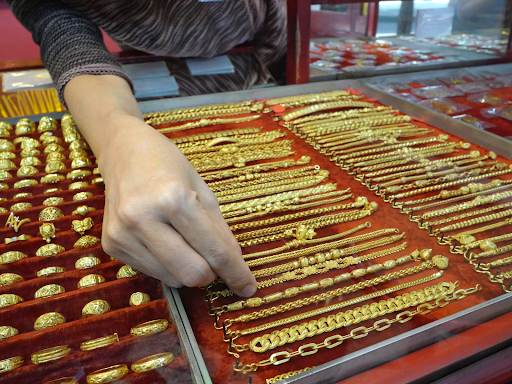
If you’re ready to turn old jewelry, broken chains, or coins into cash, you’ve probably wondered whether a jeweler or a pawn shop will pay more. Both buy gold—but their business models, testing methods, and payout structures are very different. Understanding those differences can help you keep more money in your pocket and feel confident about your decision.
This guide breaks down how each type of buyer operates, what typically drives higher payouts, how to prepare your items, and when a pawn shop might make sense versus when a jeweler is the clear winner. Along the way, you’ll learn step-by-step strategies that work no matter where you sell.
Quick answer: who usually pays more?
In most cases, reputable jewelers pay more for gold jewelry and scrap than pawn shops. The reason is simple: a jeweler’s core business includes evaluating precious metals and reselling fine jewelry, so they can justify higher payout rates—especially for pieces with resale potential. Pawn shops are designed for fast loans against a broad range of goods. That convenience can be helpful, but the tradeoff is often a wider margin, which means a smaller check.
That said, there are exceptions. If you’re in a hurry at odd hours, need a temporary loan rather than a sale, or don’t have a jeweler nearby, a pawn shop could be the quickest option. If your goal is the highest return with a clear explanation of the numbers, a jeweler is usually your best bet.
How offers are calculated (and why the math matters)
No matter who buys your gold, legitimate offers start with four variables:
- Purity (karat): 24K is pure. Most jewelry is 10K, 14K, or 18K. Purity determines what fraction of each gram is actual gold.
- Weight: Typically measured in grams or pennyweights on a calibrated digital scale.
- Live market price: Buyers reference the current “spot” price for gold.
- Payout rate (margin): The percentage of melt value the buyer is willing to pay, after accounting for refining, handling, and business costs.
Offer = Weight × Purity% × Spot Price × Buyer’s Payout Rate
Small differences add up. If a buyer tests your piece as 10K when it’s really 14K, or rounds weight down, your payout drops. Transparent buyers test in front of you, explain their readings, and show how they arrived at the final number.
Jeweler vs. pawn shop: side-by-side comparison
Expertise & evaluation
- Jewelers: Evaluate precious metals daily, understand hallmarking, and can spot designer pieces, estate value, or unique craftsmanship. If your item has resale value beyond scrap, a jeweler may price it accordingly.
- Pawn shops: Generalists who handle everything from electronics to instruments. They can buy gold, but may default to quick melt calculations and conservative assumptions.
Advantage: Jeweler
Payout rates
- Jewelers: Often pay a higher percentage of melt value, especially for sorted, clearly marked items. They may offer even more for resellable jewelry.
- Pawn shops: Typically pay less to manage risk and inventory variety. Their model prioritizes speed and liquidity.
Advantage: Jeweler
Transparency
- Jewelers: More likely to test in front of you, weigh items openly, and share their math.
- Pawn shops: Processes vary. Some are transparent; others give a single take-it-or-leave-it number with limited detail.
Advantage: Jeweler
Convenience & speed
- Jewelers: Immediate payment during business hours; some offer appointments for privacy and faster service.
- Pawn shops: Often open longer hours, sometimes late evenings; can be fastest if you need cash at off-times.
Advantage: Pawn shop (for hours only)
Loans vs. sales
- Jewelers: Primarily purchase outright; some may offer buy-back or consignment options.
- Pawn shops: Built for short-term loans using your gold as collateral.
Advantage: Pawn shop (if you want a loan)
When a pawn shop might make sense
- You need cash late or on a holiday and no jeweler is open.
- You want a short-term loan rather than selling your items.
- Your pieces are clearly low-value scrap and you prefer the closest, fastest option—even if the payout may be lower.
If any of these are your priority and time outweighs price, a pawn shop can be a practical stop. Just remember to ask for testing in front of you and request the weight, karat, and payout rate in writing when possible.
When a jeweler is the smarter choice
- You want the most money with a clear explanation of the math.
- Your item might have resale value (designer, vintage, or in excellent condition).
- You have a mixed lot and want accurate separation by karat to avoid underpayment.
- You prefer privacy, security, and professional guidance on whether to scrap or resell.
A jeweler who buys gold every day can often maximize your return—particularly on higher-karat pieces, chunky chains, or well-preserved designer items.
How to prepare your gold (for the best offer anywhere)
- Sort by karat. Keep 10K, 14K, 18K separate. This prevents lower-karat pieces from dragging down the whole lot’s average.
- Remove non-gold elements you want to keep. Bring any gemstones you’d like returned; many jewelers can remove them safely.
- Gather paperwork (optional). Appraisals, receipts, or certificates can help if there’s brand or estate value.
- Know the basics. You don’t need to be an expert—just aware of today’s gold market trend so you can evaluate quotes confidently.
- Ask for the breakdown. Request weight, confirmed karat, payout rate, and the final number in writing if possible.
- Get two or three quotes the same day. Since gold’s spot price moves, compare apples to apples.
Red flags to avoid
- Back-room testing you can’t watch
- Uncalibrated or non-digital scales
- Pressure tactics (“This price is good for five minutes”)
- Refusal to explain the numbers
- Fees for declining an offer (especially in mail-in scenarios)
A trustworthy buyer is patient, clear, and willing to educate you about the process.
What about coins, bullion, and broken pieces?
- Coins & bullion: Premiums depend on mint, brand, and market demand. Authentic packaging and certificates help.
- Broken jewelry & singles: Still worth melt value—don’t toss them. Small pieces can add up.
- Gold-filled or plated: These contain limited gold. A reputable buyer will test and separate them so you’re not misled.
Timing your sale: should you chase the market?
Trying to time gold perfectly can feel like timing the stock market—tough and stressful. If prices have been stable or trending up and you’re ready to sell, focus on getting the strongest payout rate today. A fairly priced, transparent offer you can verify beats chasing a hypothetical better number tomorrow.
Local matters: why reputation leads to better outcomes
A well-reviewed, established local jeweler depends on repeat business and word-of-mouth. That incentivizes fair, consistent payouts and clear communication. Read recent reviews that mention transparency, respectful service, and staff who walk you through testing and weighing in person. If you’re comparing gold buyers in Wilkes Barre or nearby towns, prioritize buyers that publish their process or will explain it on the spot. Likewise, if you’re searching for gold buyers Kingston, look for shops that encourage questions and are comfortable showing you the math.
Scrap vs. resale: which path pays more?
Not every piece should be scrapped. Ask the buyer to evaluate your items for resale value before defaulting to melt. Designer logos, vintage craftsmanship, and on-trend styles can command more than scrap—especially at a jeweler with a client base for estate pieces. On the flip side, broken chains, dented bangles, single earrings, and worn-out settings are usually scrap material; your goal is a high, fair percentage of melt from a transparent buyer.
Safety, privacy, and peace of mind
Selling gold should feel comfortable and secure. A professional jeweler typically offers private evaluations, clear documentation, and immediate payment. That peace of mind—from the moment you walk in to the moment you leave with your payment—often makes the slightly longer drive or appointment worthwhile.
The bottom line
If your goal is maximum payout with clear, in-person testing and math, a jeweler is usually the better choice than a pawn shop. Pawn shops still serve a purpose—especially for short-term loans or off-hour needs—but for most sellers, the combination of expert evaluation, higher payout rates, and transparency makes jewelers the smart move.
To keep more money in your pocket:
- Prepare your items (sort by karat, remove stones you want to keep).
- Ask for the breakdown (weight, karat, payout rate).
- Get same-day comparisons.
- Choose a reputable local professional who buys gold every day.
If you’re ready to sell gold locally, look for a jeweler who welcomes questions, tests in front of you, and treats you and your jewelry with respect from start to finish. Searching online for jewelers buying gold near me or scrap gold buyers near me will turn up a lot of options—pick the one that shows you the numbers, not just a slogan.
FAQ
Will I always get more from a jeweler than a pawn shop?
Not always, but it’s common. Jewelers often pay a higher percentage of melt value and may pay above scrap for resellable pieces. The best approach is to get two or three quotes the same day and compare the breakdowns.
How do I know if my item should be scrapped or resold?
Ask for a resale evaluation first. Designer stamps, vintage styles, and pieces in excellent condition could be worth more than melt. If the buyer only talks scrap, consider a second opinion.
What if my jewelry isn’t stamped?
A reputable buyer will test it in front of you using touchstone/acid, electronic, or XRF methods. They should be willing to explain the results and how those affect your offer.
Do stones add value to my offer?
Usually not for scrap offers, unless the stones are high-quality or branded. If you want to keep them, ask about safe removal before finalizing the sale.
Can I get paid the same day?
Yes. Both jewelers and pawn shops typically pay immediately once testing and weighing are complete. Many jewelers can pay by cash or check on the spot.
Is it okay to clean my gold before selling?
Light cleaning with a soft cloth is fine. Avoid harsh chemicals or aggressive polishing that could damage settings or reduce potential resale value.
Do I need an appointment?
Walk-ins are common, but an appointment can shorten wait times—especially if you’re bringing a larger batch of items.
What documents should I bring?
A valid photo ID is typically required. Optional paperwork like appraisals or receipts can help if your item has brand or estate value.
What if I change my mind after getting an offer?
You should never feel pressured. A reputable buyer will let you take the quote and return later—or politely decline on the spot—without fees or hassle.