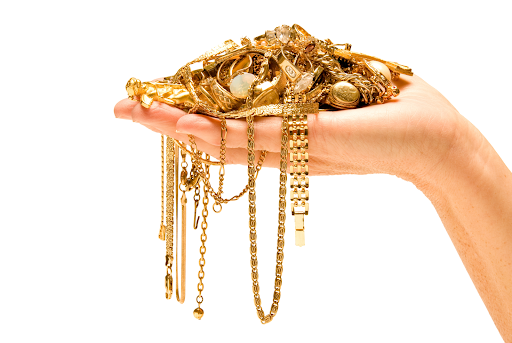
If you’ve asked yourself, Can you sell gold plated jewelry, the short answer is yes—but not the same way you’d sell solid gold. Plating adds a thin layer of precious metal over base metal, which means melt value is usually negligible. Still, you have options: fashion resale, trade-ins toward solid pieces, repurposing stones, or bundling items to make a small sale worthwhile. This guide explains what matters to buyers, how to prepare, and smart moves when you’re selling a mixed batch that includes plated, filled, and solid pieces.
Plated vs. filled vs. solid: what buyers see
- Gold plated uses an electroplated surface layer of gold over base metal. The layer is very thin—great for appearance, limited for resale by metal content.
- Gold filled bonds a thicker layer of gold mechanically to base metal. It wears better but still isn’t solid.
- Solid gold is gold alloy throughout; it’s priced by purity and weight, with potential premiums for design, brand, age, and stones.
Understanding the construction sets expectations: plated and filled pieces are typically valued as fashion jewelry; solid pieces are valued for metal and, sometimes, craftsmanship.
Unsure what’s plated vs. solid? Contact us—we’ll test in view and explain every step.
When plated jewelry can still be worth selling
Plated pieces may have resale value if they’re from desirable brands, match current styles, are in excellent condition, or include quality stones. Popular fashion labels, intact finishes, working clasps, and original packaging help. If a piece carries genuine gemstones, a jeweler may buy the stones and return the setting—or buy the entire piece if it’s salable as jewelry. Condition matters: heavy wear, chipped plating, missing stones, or broken hinges reduce interest. Bundle related items (e.g., a bracelet and matching earrings) to make a small transaction worthwhile.
Preparing plated items for evaluation
- Clean gently. Mild soap, warm water, soft brush; dry thoroughly. Skip abrasives and harsh chemicals.
- Photograph clearly. Capture brand stamps, condition, and any issues.
- Note details. Sizes, model names, collection names, and purchase dates (if known) can help.
- Keep pairs together. Bag small sets so nothing gets lost.
- Separate by category. Plated vs. gold filled vs. suspected solid; keep unknowns together for testing.
A tidy presentation speeds up the appointment and helps the buyer judge whether an item is salable as jewelry.
Your options at the counter
- Sell as fashion jewelry. If brand and condition are strong, a shop may buy the piece as jewelry rather than for metal.
- Trade toward solid gold. Some sellers apply value from plated items toward a solid piece, creating long-term value.
- Remove stones to reuse. Set gemstones into solid-gold mountings you’ll actually wear.
- Bundle low-value items. Groups can create enough value to justify the transaction.
For transparency on testing and pricing methods, many locals start by reviewing reputable gold buyers Kingston to see how professionals evaluate mixed collections.
Selling a mixed batch (plated + solid)
Bring everything, but keep it organized. Solid pieces should be tested in view, separated by karat, and weighed on a calibrated scale with per-gram rates tied to the day’s market. Plated pieces will be assessed for brand and condition, not melt. Ask for a written breakdown distinguishing metal value from any jewelry premium. Decide early whether you’ll keep stones. If two offers are close, choose clarity and professionalism; opaque math can cost more than a few extra dollars.
If you’re mapping out a plan, research dependable places to sell gold near me so you can compare service and process—not just totals.
What buyers look for with plated pieces
- Brand recognition: Well-known fashion labels in current styles move faster.
- Finish integrity: Minimal wear at edges, prongs, and clasp ends.
- Function: Secure stones, working clasps and hinges.
- Completeness: Original boxes, pouches, or tags help.
- Matching sets: Coordinated items often sell better as a bundle.
Even with great condition, remember that value comes from desirability, not metal recovery. That’s why solid items in the same batch usually account for most of your payout.
Smart pricing expectations
For plated jewelry, think “retail desirability,” not “metal.” Buyers evaluate whether they can resell the piece quickly and profitably. For solid pieces, expect an itemized calculation: visible testing, separation by karat, weighing on a calibrated scale, and per-gram rates referencing that day’s market. If the math feels vague, it’s okay to shop around. Many sellers benchmark methodology and transparency by exploring the best place to sell gold jewelry for cash near me before committing.
Want a friendly, zero-pressure evaluation? Contact Rainbow Jewelers to schedule a quick appointment.
Frequently Asked Questions About “Can You Sell Gold Plated Jewelry?”
Does gold plated jewelry have any resale value?
Yes, but value usually comes from brand and condition—not the tiny layer of gold. Most gold plated pieces don’t have meaningful melt value because the deposited gold is extremely thin and costly to recover. However, fashionable or collectible brands can sell as jewelry, especially if plating is intact, clasps work, and stones are secure. Clean gently, photograph clearly, and note the brand, size, and any original packaging. If you have a mix of plated and solid items, separate them. Some shops consider bundles or trade-ins that turn small value into something useful for buyers.
What’s the difference between gold plated and gold filled for selling?
Gold plated jewelry uses a very thin electroplated layer of gold over base metal. Gold filled bonds a much thicker layer to base metal, typically expressed as a fraction, and can wear better over time. Neither is solid gold, but gold filled is generally more durable and may hold slightly better resale as jewelry in good condition. For melt value, both are negligible. Buyers evaluate plated and filled items primarily as fashion pieces or by brand desirability. Solid gold, by contrast, is priced by purity and weight, with possible premiums for designer, antique, or resalable styles and gemstones when selling.
How can I tell if my piece is plated or solid before I visit?
Start with easy clues. Look for hallmarks: GP, GEP, HGE, or “plated” indicate plating; “GF” signals gold filled; 10K, 14K, 18K, or 22K suggest solid but still require confirmation. Inspect high-wear spots for base-metal showing through. Try a magnet: strong attraction suggests base components, though clasps can mislead. Avoid DIY acid tests that can damage finishes and still misread layered metals. The most reliable approach is a professional evaluation you can watch. They’ll separate non-gold parts, weigh accurately, and identify construction, then explain options if you wish to sell jewelry or assess metal value accurately with written results today.
Will buyers pay for stones in gold plated jewelry?
Sometimes. If stones are genuine—diamonds, sapphires, emeralds—they may have value independent of the plated setting. Many buyers evaluate stones and may purchase them separately, reuse them in new settings, or return them to you if you prefer. Lab reports, receipts, or original boxes help. Costume stones typically don’t add cash value, though condition and brand can still make a piece sellable as fashion jewelry. Ask whether the buyer can remove gemstones carefully and price the metal and stones separately, so you can choose the combination that maximizes your overall payout in appropriate cases today.
What’s the smartest way to sell a mixed batch with some plated items?
Separate everything into three groups: clearly plated, suspected solid, and unknown. Keep pairs together and bag small items so nothing is lost. Photograph pieces and bring any paperwork or boxes. At the appointment, ask the jeweler to test in view, separate non-gold parts, and provide a written breakdown. Solid gold will be priced by karat and weight; plated pieces will be considered for resale as fashion jewelry or as part of a lot. Present competing offers gathered the same day, and ask about trade-ins that turn small plated value into something you’ll actually wear. Choose clear math, immediate payment, and transparency. Politely.