Gemstone jewelry brings color, meaning, and personality into fine jewelry in a way diamonds alone often do not. It includes rings, earrings, necklaces, bracelets, pendants, and custom pieces made with colored stones such as sapphire, ruby, emerald, aquamarine, garnet, amethyst, opal, topaz, and many others. Some gemstones are classified as precious stones, while others are considered semi-precious, but that old distinction matters less than quality, durability, cut, and how the piece fits your life.
In our store, we see gemstone jewelry chosen for very different reasons. One customer wants a birthstone ring for a milestone birthday. Another is looking for a sapphire engagement ring that stands apart from a classic solitaire diamond. Someone else brings in an heirloom brooch with rubies and asks whether we can redesign it into a pendant she will actually wear. That range is exactly why gemstone jewelry remains one of the most flexible categories in fine jewelry.
For local shoppers in Kingston, PA, Wilkes-Barre, Scranton, Hazleton, and across NEPA, gemstone jewelry matters because it lets you buy with both emotion and practicality in mind. You can choose by color, symbolism, budget, hardness, setting style, and wear frequency. You can also see stones in person, compare shades under natural light, and talk through what will hold up best if you plan to wear the piece every day. That in-person process prevents a lot of disappointment.
At its core, gemstone jewelry is jewelry centered on colored stones rather than only diamonds. Those stones may be natural or lab created, transparent or opaque, subtly colored or bold. The best choice depends on how you will wear the piece, the level of care you want to provide, and whether the design is meant for everyday use, occasional wear, or a meaningful gift. Understanding those basics is what helps you shop confidently instead of guessing from a photo.
A common question is simple: what makes one gemstone jewelry piece better than another? The answer usually comes down to four things. First is the stone itself, including color, clarity, cut, and any treatments. Second is durability, especially hardness, toughness, and sensitivity to heat or chemicals. Third is craftsmanship, including setting security, balance, and metal quality. Fourth is wearability, which means whether the piece suits your routine, wardrobe, and budget.
Another reason this topic deserves a broad guide is that gemstone jewelry is often misunderstood. Many people know diamonds have grading reports, but they are less sure how to compare sapphires or emeralds. They may not realize that an emerald with visible inclusions can still be desirable, or that an opal pendant is usually a safer everyday choice than an opal ring. Clear education matters here because buying colored stones is not just about picking your favorite color.
Table of contents
| Section | What you will learn |
|---|---|
| What gemstone jewelry includes | Main categories, common styles, and how shoppers use them |
| Popular gemstones and their traits | Color, durability, and best uses for major stones |
| How to judge quality | Color, clarity, cut, treatments, and certification basics |
| Choosing the right metal and setting | How design affects appearance, comfort, and protection |
| Buying for occasions and budgets | Engagement rings, gifts, heirlooms, and practical value |
| Care, repair, and custom design | Cleaning, maintenance, redesign, and when to seek help |
What gemstone jewelry includes
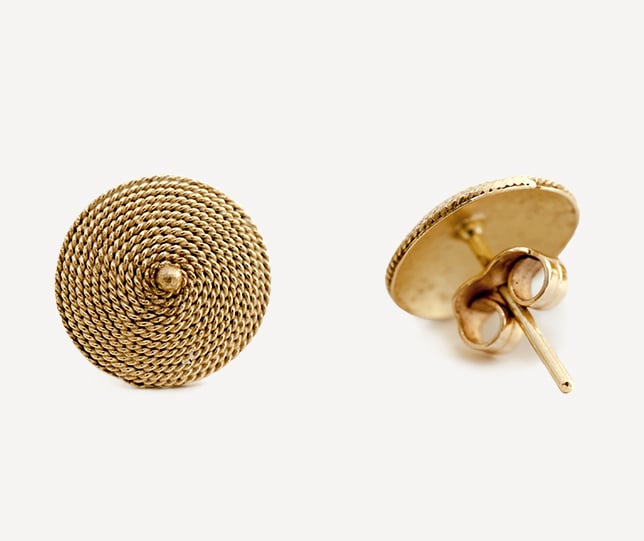
Gemstone jewelry covers nearly every fine jewelry category. The most common pieces are gemstone rings, birthstone jewelry, stud earrings, halo pendants, tennis bracelets with colored stones, and anniversary bands with alternating diamonds and sapphires or rubies. In NEPA, we also see strong interest in practical everyday pieces. Think small sapphire studs, a bezel set pendant, or a low-profile gemstone ring that does not catch on gloves or clothing.
Custom design expands that range even further. A customer may start with a loose sapphire and build a one-of-a-kind ring in 14K white gold. Another may combine family birthstones in a pendant with children’s and grandchildren’s stones placed in a meaningful order. Gemstone jewelry works especially well for personal projects because color gives the design story from the start. That makes it easier to create something unique without overcomplicating the piece.
Gemstone jewelry also spans a wide range of price points. A simple garnet pendant can be accessible for a birthday gift, while a fine sapphire ring with a strong blue center stone and diamond accents can become a major purchase. Price is driven by rarity, color quality, size, cut, origin in some cases, and whether the design uses hand fabrication or custom setting work. There is no single “normal” price because the category is broad by nature.
Popular gemstones and what they are best for
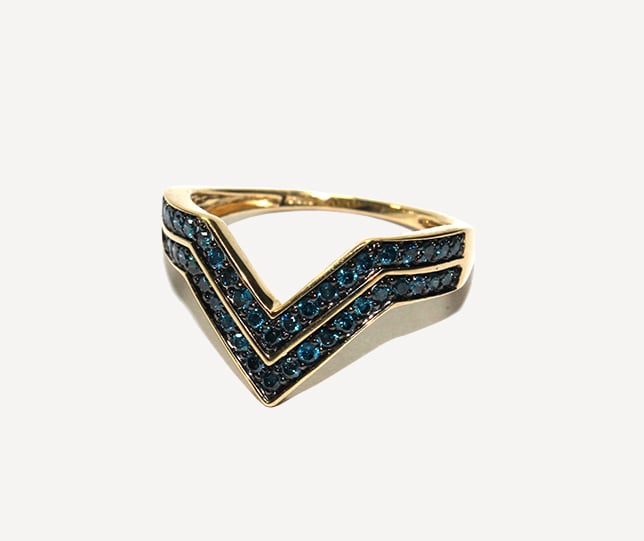
Sapphire is one of the strongest all-around choices in gemstone jewelry. It comes in blue, pink, yellow, green, white, and other shades, although blue remains the best known. With a hardness of 9 on the Mohs scale, sapphire is durable enough for everyday rings, including custom engagement rings. If you want color but still need long-term wear, sapphire is often the first stone we discuss because it balances beauty and practicality so well.
Ruby is the red variety of corundum, the same mineral family as sapphire. Fine rubies are rare, and strong color drives value quickly. Ruby works beautifully in rings, earrings, and pendants, but many shoppers are surprised by how much price can vary depending on hue, saturation, and clarity. A vivid red ruby with strong life can command a high price even at smaller sizes. That is normal for a gemstone with genuine scarcity.
Emerald has a color many people love immediately, but it requires more care than sapphire or ruby. Most emeralds have inclusions, and many are treated with oils or resins to improve appearance. That does not make them bad stones. It means you should understand maintenance and avoid hard knocks, steam cleaning, and harsh chemicals. Emeralds make striking rings, but they are especially practical in pendants and earrings where they face less daily impact.
Aquamarine, amethyst, garnet, peridot, citrine, topaz, morganite, opal, tanzanite, and tourmaline each fill different roles. Aquamarine gives a light blue look with good clarity and often generous size for the money. Amethyst offers rich purple at an approachable price. Garnet is deeper and often excellent for winter gifts. Tourmaline comes in a huge color range. Opal is beautiful but softer and more sensitive, so it needs thoughtful wear and protective settings.
Birthstone jewelry remains one of the most popular entry points into gemstones. It is easy to personalize and easy to gift. A mother’s ring with multiple birthstones, a simple pendant for a graduation, or sapphire earrings for a September birthday all work because the piece has built-in meaning. When customers want a gift that feels personal without needing a full custom project, birthstone jewelry is often the right middle ground.
How to evaluate gemstone quality
Color is usually the most important quality factor in gemstone jewelry. With colored stones, shoppers often respond to color before anything else. We look at hue, tone, and saturation. Hue is the basic color family. Tone refers to how light or dark the stone is. Saturation measures intensity. A sapphire that is too dark can look inky indoors. One that is too light may lose the rich appearance people expect. The best stones show attractive color in normal lighting, not just under bright display lamps.
Clarity matters, but not the same way it does in diamonds. Some gemstones are expected to be eye-clean, while others naturally show inclusions. Emerald is the classic example. You should not reject an emerald simply because it is not perfectly clean. Instead, ask whether the inclusions affect beauty or durability. In sapphire and ruby, visible inclusions may be acceptable depending on price and size, but transparency and overall life still matter.
Cut affects sparkle, symmetry, and face-up appearance. A well-cut gemstone should show balanced proportions, even shape, and good light return for that particular material. Colored stones are not cut to the same standards as round diamonds, so the goal is different. Cutters often prioritize color retention over maximum brilliance. Still, a stone should not look dull, windowed, or badly uneven. Windowing happens when the center looks transparent and washed out because the pavilion is too shallow.
Treatments are common in gemstone jewelry, and they are not automatically a problem. Heat treatment in sapphire and ruby is widely accepted. Emerald enhancement is also common. The key is disclosure. You should know what was done, whether the treatment is stable, and how it affects care. In higher-value purchases, we often recommend documentation from a recognized lab when available. The point is not to make buying complicated. It is to make sure you understand what you are paying for.
Certification for colored stones is less standardized than it is for diamonds, but reports can still be useful. Laboratories such as GIA, AGL, and others may identify species, geographic origin in some cases, and treatments. A report does not replace seeing the stone in person, but it adds confidence for significant purchases. If you are comparing a larger sapphire, ruby, or emerald, asking for documentation is reasonable and often smart.
Metals and settings that work best with gemstones
The metal you choose changes both appearance and wearability. White gold gives blue sapphires, aquamarines, and cooler-toned stones a crisp look. Yellow gold often flatters rubies, emeralds, garnets, and warmer stones. Rose gold can soften pink sapphires and morganite beautifully. In our showroom, many shoppers are surprised by how much the same stone changes once you place it in white, yellow, or rose gold. That is one reason trying pieces on in person matters.
Settings are not just about style. They protect the stone and shape how often you can wear the piece. A prong setting shows more of the gemstone and lets in more light, but it exposes edges to impact. A bezel setting surrounds the stone with metal and offers better protection, especially for softer gems or active lifestyles. Halo settings can make a center stone appear larger. Three-stone rings add symbolism and balance. The right setting depends on the stone and your daily routine.
For everyday rings, low-profile designs usually wear best. A tall setting may look dramatic in the case, but it catches more often and takes more abuse. If you work with your hands, wear gloves, or want a ring you rarely need to remove, practical design matters more than trend. We often guide customers toward durable stones, secure setting styles, and band shapes that feel comfortable all day. Good design is not just visual. It should make the piece easy to live with.
Gemstone jewelry for engagement rings, gifts, and milestones
Gemstone engagement rings have moved from niche to mainstream. Sapphire leads the category because it offers color and durability, but emerald, ruby, and even alternative stones have their place. Some couples choose a center sapphire with diamond accents. Others want a diamond center with hidden birthstones in the gallery. The appeal is personal identity. You are not limited to a standard look when a custom engagement ring can reflect your taste, your budget, and your story.
Anniversary jewelry is another strong fit for gemstones. Ruby for a 40th anniversary, sapphire for a 45th, and emerald for a 55th have lasting tradition, but shoppers are not locked into official gift lists. We frequently help customers choose based on favorite color, family meaning, or existing wardrobe. A right-hand ring, a pendant, or upgraded stud earrings can mark the moment just as well as a formal anniversary band. The best piece is the one that will actually be worn.
Birthstone jewelry remains one of the easiest ways to create a meaningful gift. It works for mothers, grandmothers, graduates, and new parents. It also works well for men when designed simply. A signet-style ring with a birthstone, a small pendant under a work shirt, or cuff links with subtle gemstone detail can all feel personal without looking flashy. Meaningful does not have to mean ornate. Often the strongest designs are the simplest.
How to shop smart in person
If you are buying gemstone jewelry near Kingston, PA, start by seeing several stones side by side. Compare them in showroom light and near a window if possible. Ask how the stone was treated, whether the setting is suited for everyday wear, and what maintenance it will need. If you are choosing a ring, try it on. Shape, height, finger coverage, and comfort all change your opinion once the piece is actually on your hand.
Budget discussions should be direct. In gemstone jewelry, two pieces can look similar at first glance and differ sharply in price because of origin, treatment, color intensity, or durability. That does not mean the higher-priced one is always the smarter choice. Sometimes an aquamarine gives you the look you want better than a more expensive stone. Sometimes a lab created gemstone is the practical answer for color consistency and size. Clear priorities lead to better buying decisions.
It also helps to ask what happens after the sale. Can the ring be resized? Do you offer stone setting and repair if a prong wears down later? Can an inherited piece be redesigned if the style feels dated? A full-service local jeweler should be able to answer those questions clearly. If you want to explore custom options, pages like /custom-engagement-rings, /repairs, and /catalog help you narrow ideas before you visit.
Care, cleaning, repair, and redesign
Gemstone jewelry lasts longer when care matches the stone. Diamonds, sapphires, and rubies are generally more durable than opals, pearls, emeralds, and tanzanite. That affects storage, cleaning, and wear habits. Do not assume every piece can go into an ultrasonic cleaner. Many cannot. Warm water, mild soap, and a soft brush are safe starting points for some stones, but softer or treated gems need gentler handling and professional advice.
Routine inspection matters more than most people realize. Prongs wear. Clasps loosen. Stones shift before they fall out. We recommend bringing frequently worn rings, bracelets, and pendants in for periodic checks, especially if they are part of your everyday rotation. A small repair done early is usually easier and less expensive than replacing a lost stone later. This is especially true for pieces with multiple small gems, halos, or older mountings.
Redesign is one of the most overlooked strengths of gemstone jewelry. If you inherited a ring that does not suit your style, the stone may still have great potential. We often turn outdated rings into pendants, modernize settings, or combine several family stones into one new design. That approach keeps the meaning while making the jewelry wearable. For many families in Northeast Pennsylvania, redesign is the bridge between sentimental value and everyday use.
Gemstone jewelry gives you more room for personal expression than almost any other jewelry category. You can choose color, symbolism, budget, and durability in combinations that make sense for real life. A sapphire engagement ring, an emerald pendant, a birthstone bracelet, or a redesigned family heirloom can all be the right choice when the stone, setting, and metal are matched well. What matters most is understanding how the piece will be worn and what quality factors deserve your attention.
When you shop in person, you get advantages that photos cannot provide. You can compare shades, see how a gemstone reacts to everyday light, and ask direct questions about treatments, repairs, resizing, and custom design. That is especially valuable for local shoppers in Kingston, Wilkes-Barre, Scranton, Hazleton, and nearby NEPA communities who want confidence before making a meaningful purchase. Seeing the piece on your hand or around your neck often answers questions faster than hours of online searching.
If you are ready to explore gemstone jewelry, start with your purpose. Decide whether you need an everyday piece, a milestone gift, a custom engagement ring, or a redesign of something you already own. Then bring your ideas, photos, or heirloom pieces into our Kingston showroom. We will walk you through the options, explain what will hold up best, and help you choose a piece you will enjoy wearing for years.
Frequently Asked Questions
What is gemstone jewelry, and how is it different from diamond jewelry?
Gemstone jewelry refers to fine or fashion jewelry that features colored stones rather than relying primarily on diamonds for its visual impact. These stones may include sapphire, ruby, emerald, aquamarine, garnet, amethyst, opal, topaz, tourmaline, peridot, and many others. While diamonds are valued for brilliance and neutrality, gemstone jewelry is often chosen for its color, individuality, symbolism, and personality. It gives the wearer more opportunities to express personal style, whether through a bold sapphire ring, delicate emerald earrings, a vibrant opal pendant, or a custom necklace featuring a birthstone or favorite hue.
The difference is not just visual. Gemstone jewelry opens up a wider range of design possibilities because colored stones vary greatly in tone, transparency, cut, rarity, and character. Some people choose gemstones for sentimental reasons, such as anniversary gifts, birthstones, or stones associated with meaning and tradition. Others simply prefer the warmth and uniqueness of color in their jewelry collection. In many cases, gemstone pieces feel more distinctive and personal than diamond-only designs, especially when custom made or selected to reflect the wearer’s taste, wardrobe, or lifestyle.
What are the most popular gemstones used in jewelry?
Some of the most popular gemstones in jewelry are sapphire, ruby, emerald, aquamarine, amethyst, garnet, opal, topaz, morganite, tourmaline, and peridot. Sapphire is especially well known for its durability and rich blue color, though it also appears in pink, yellow, green, white, and other shades. Ruby is admired for its intense red tone and rarity, while emerald is prized for its deep green color and classic luxury appeal. Aquamarine is appreciated for its soft blue clarity, amethyst for its purple richness, and garnet for its versatility across deep reds and other color varieties.
Popularity often depends on the balance of beauty, wearability, and budget. For example, sapphire and ruby are excellent choices for rings because they are durable enough for regular wear. Opal is beloved for its play of color but requires more care because it is softer and more delicate. Topaz and tourmaline offer a broad color range and can suit many styles, from understated everyday pieces to statement jewelry. The best gemstone is not always the rarest or most expensive one. Often, it is the stone that fits the wearer’s style, intended use, maintenance expectations, and emotional connection to the piece.
How do I choose the right gemstone jewelry for everyday wear?
Choosing gemstone jewelry for everyday wear starts with durability. Not all gemstones perform equally well in rings, bracelets, or other pieces exposed to frequent contact. Harder stones such as sapphire and ruby are generally among the best options for daily use because they resist scratching better than softer stones. Earrings and pendants can accommodate a wider variety of gems because they typically experience less impact than rings. If you love a more delicate stone such as opal or emerald, the setting and how carefully you wear it become especially important.
It also helps to think about lifestyle, color preference, and wardrobe. Someone with an active routine may do best with low-profile designs and protective settings like bezels or halos, while someone seeking a versatile piece may prefer a gemstone that complements many outfits, such as blue sapphire, green emerald, or neutral-toned aquamarine. Metal choice matters too. Yellow gold can bring warmth to rubies and garnets, white gold or platinum can emphasize cooler stones like sapphire and aquamarine, and rose gold often flatters pink gems beautifully. Ultimately, the right everyday gemstone jewelry is the piece that combines comfort, durability, beauty, and a style you will genuinely want to wear often.
Are precious and semi-precious gemstones still important categories when buying jewelry?
The traditional labels “precious” and “semi-precious” are still widely recognized, but they are less useful today than many shoppers assume. Historically, diamonds, rubies, sapphires, and emeralds were grouped as precious stones, while nearly all other gems were called semi-precious. The problem is that these labels can be misleading. Some so-called semi-precious stones are exceptionally rare, beautiful, and valuable, while some precious stones may vary significantly in quality. In modern jewelry buying, the more meaningful factors are color, clarity, cut, durability, origin when relevant, treatments, and overall craftsmanship of the finished piece.
For buyers, this means it is better to focus on the specific stone rather than the category. A vivid, well-cut aquamarine or fine tourmaline may be a better purchase for your needs than a lower-quality ruby or emerald. Likewise, a durable gemstone that suits your lifestyle may provide more long-term satisfaction than a traditional “precious” stone chosen only for status. Reputable jewelers usually guide customers toward the practical qualities that matter most, including how the gemstone looks in person, how secure the setting is, and whether the piece makes sense for daily wear, occasional wear, gifting, or custom design. In short, those old categories can provide basic context, but they should not drive the entire buying decision.
How should gemstone jewelry be cleaned, stored, and cared for?
Proper care depends on the gemstone, because different stones react differently to heat, chemicals, moisture, sunlight, and impact. As a general rule, gemstone jewelry should be removed before heavy exercise, swimming, cleaning, gardening, or household tasks. Lotions, perfumes, and cleaning products can dull certain stones or affect the metal over time. For many gemstones, gentle cleaning with lukewarm water, mild soap, and a soft brush is a safe starting point, followed by careful drying with a soft cloth. However, porous or delicate stones such as opal, pearl, turquoise, and some emeralds may need more specialized handling and should not automatically be cleaned the same way as sapphires or diamonds.
Storage matters just as much as cleaning. Gemstone jewelry should ideally be kept in a soft-lined box or separate fabric pouches so harder stones do not scratch softer ones. Rings, bracelets, and earrings with prongs should be checked periodically to make sure the stones remain secure, especially if they are worn often. Professional inspection and occasional cleaning by a jeweler can help preserve both the gemstone and the setting. If a gemstone has known treatments, such as fracture filling or oiling, care instructions may be more specific. The safest approach is to learn about the exact stone in your piece and follow guidance tailored to that gem, since good maintenance protects not only appearance but also long-term value and wearability.