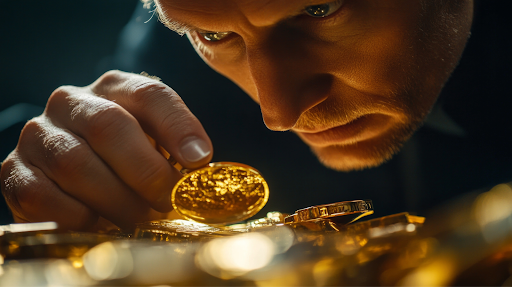
You’ve found a ring in a drawer, inherited a bracelet, or rediscovered a chain at the bottom of a travel pouch. Now you’re wondering if the metal is genuine—and what it might be worth. Learning how to tell if gold is real doesn’t require a lab, but it does benefit from a clear process, an understanding of common pitfalls, and, when you’re serious, a quick professional evaluation. This comprehensive guide breaks down visual clues, at-home screens, professional methods, and next steps if you plan to sell. You’ll gain confidence without risking your jewelry or overvaluing plated items.
Authenticity checks fall into two buckets: non-destructive screening (what you can safely do yourself) and confirmatory testing (what a professional does while you watch). Start with the simplest tells: hallmarks, construction, color consistency, and the way the metal behaves. Then use basic screens to rule out obvious fakes. Finally, confirm with an expert. When you combine careful observation with transparent, instrumented testing, you get a trustworthy answer—fast—and avoid the most expensive mistake of all: selling a valuable piece as scrap because a quick test fooled you.
What “real” means: solid vs. filled vs. plated
“Real gold” usually means solid gold—alloyed with other metals throughout the piece. By contrast, gold-filled jewelry has a thicker bonded layer of gold over base metal, and gold-plated pieces have a thin electroplated surface layer. The difference matters: solid gold carries melt value tied to purity and weight; filled and plated items have minimal metal value and are typically priced as fashion jewelry. Visual inspection may suggest which category you have, but confirm by testing: layered construction, exposed base metal at high-wear points, or color changes often indicate plating or filling rather than solid.
Start with a visual inspection
Use a loupe or your phone’s macro mode to check for hallmarks such as 10K, 14K, 18K, or 22K inside a ring shank, on a clasp, or near a hinge. Look for manufacturer or designer marks that may indicate higher resale value. Examine wear points—edges, prongs, and clasp ends—where plating can thin and reveal base metal color. Check construction quality: solder seams, hollow links, and mixed metals in clasps are common and can confuse testing. Photograph everything before you do any other checks; images are useful later if you decide to compare offers.
Do safe at-home screens (with limits)
A magnet screen is quick: real gold isn’t magnetic. If a chain jumps aggressively to a strong magnet, it’s probably not solid gold. However, clasps and springs often contain steel, so a mild pull isn’t definitive. Density “feel” helps—gold is surprisingly heavy for its size—but this is a comparative skill. Avoid risky DIY acid tests that can pit metal, stain stones, and still misread plated or filled items. Electronic pens vary with calibration. These screens are helpful filters, not verdicts. Treat results as clues that guide your next step rather than confirmation.
Professional testing you can watch
A trustworthy jeweler verifies composition using calibrated tools while you observe. After reviewing hallmarks and construction, they may use electronic conductivity testers, acid touchstones applied safely and surgically, and X-ray fluorescence (XRF) to read surface and subsurface composition. They’ll separate non-gold components, weigh karat groups on a visible, calibrated scale, and explain every deduction. This transparent process protects your jewelry and turns uncertainty into clear numbers. If you plan to sell afterward, you already have the documentation a buyer needs. Many people begin by comparing reputable gold buyers Kingston to understand local testing standards.
White gold, rose gold, and common testing hiccups
Alloys used to create white and rose gold can confuse quick checks. White gold often carries a rhodium plating that alters surface readings and hides underlying color. Rose gold’s copper content changes density expectations. Clasps, pins, springs, and some solder may contain steel or base metal, causing a magnet to grab even when the main body is gold. Stones add weight and can interfere with scratch tests. None of these quirks mean your piece isn’t gold—they simply complicate at-home methods. This is why professional, multi-tool testing remains the safest way to confirm authenticity.
Solid, filled, or plated—why it matters for value
If a professional confirms solid gold, your piece’s value depends on purity and weight, with potential premiums for craftsmanship, designer marks, antique construction, or desirable styles. If it’s gold-filled or plated, it typically won’t be priced for metal content. However, brand desirability or excellent condition can support resale as fashion jewelry. Knowing the category helps you decide whether to restore, keep, or sell. If you plan to explore offers, it helps to research transparent jewelers buying gold near me so you can compare processes, per-gram rates, and whether stones add value.
Stones and settings: keep them or sell them?
Diamonds and certain gemstones can significantly improve your total payout when a piece is resalable as jewelry. Conversely, small, chipped, or heavily worn stones may add little and are better removed before evaluating by melt. Decide early whether you want to keep stones for a new design; removal should happen before the gold-only calculation so the math is clean. Bring any grading reports or receipts. A clear conversation about preferences ensures the evaluation aligns with your goals and avoids confusion when you’re comparing offers later in the day.
Weight, purity, and the math behind offers
Expect a professional to separate items by karat (10K, 14K, 18K, etc.), remove non-gold parts, and weigh each group on a scale you can see. They’ll quote per-gram rates tied to that day’s market and explain their business margin. Written breakdowns protect you from vague lump-sum offers. If something is salable as jewelry, you may see a premium above melt value; if not, you’ll at least understand the scrap calculation. Sellers who want accountability and immediate payment often sell gold locally because in-person transparency reduces mistakes and maximizes confidence.
Common myths (and truths)
- Myth: Scratching real gold leaves unmistakable streaks. Truth: Scratch results vary by alloy and plating thickness and can damage jewelry.
- Myth: Real gold never changes color. Truth: Alloys and surface treatments can dull or discolor over time.
- Myth: Magnets prove everything. Truth: Clasps and springs can be magnetic even on genuine pieces.
- Myth: A 14K stamp guarantees purity. Truth: Counterfeits exist; only testing in view confirms composition.
- Myth: All buyers pay the same. Truth: Processes and pricing vary, especially when stones or craftsmanship add value.
If you confirm authenticity, next steps
If your item is real, decide whether to keep, repurpose, or sell. For sales, gather multiple quotes on the same day, with per-gram rates by karat in writing. Ask whether stones or designer marks add a premium beyond melt. Bring ID and any paperwork. Compare clarity as much as totals; transparent math often beats a vague “high” number. If you’re benchmarking scrap offers before visiting showrooms, many sellers quickly check scrap gold buyers near me to understand baseline expectations and prepare questions.
Want definitive answers you can watch in real time? Contact Rainbow Jewelers for a professional gold test and clear, written results.
Ready for a same-day quote after testing? Contact us to schedule a no-pressure appraisal.
Frequently Asked Questions About “How to Tell If Gold Is Real?”
How accurate are at-home gold tests?
At-home gold tests can provide clues, but they are rarely definitive alone. Hallmarks, magnet checks, and density estimates help screen items, yet each has caveats. Magnets may stick to steel clasps on genuine chains. Cheap acids and scratch methods can damage jewelry and still misread plating or filled pieces. Electronic pens drift without calibration. Surface plating can fool many tests entirely. For confidence, combine quick checks with a professional evaluation you can watch in person. Transparent testing, visible weighing, and instrumented analysis confirm composition safely while protecting stones and settings. Choose reputable experts who explain results and provide written breakdowns.
Can white gold or rose gold fail simple tests?
Yes. Alloy metals used to create white and rose gold can confuse quick checks. White gold is often rhodium plated, changing surface response and disguising underlying color. Nickel, palladium, copper, or silver in the alloy can affect density estimates and scratch reactions. Clasps and springs may contain steel or base metals, drawing a magnet and causing false alarms. Solder joints, stones, and hollow links can also skew weights or readings.
None of these quirks mean your piece isn’t gold; they simply complicate screening. Professional testing verifies composition safely and precisely, separating non-gold parts before calculating value. Ask to watch everything.
How do professionals confirm whether gold is solid, filled, or plated?
Professionals combine inspection, precise weighing, and instrumented analysis. After checking hallmarks and construction, they may use electronic conductivity testers, acid touchstones, and X-ray fluorescence to read composition. They separate non-gold components, examine solder joints, and look for wear patterns that reveal base metals beneath plating. Gold-filled pieces show distinct layered structures; plated items usually have a thin surface layer only. Results are explained in plain language, often with a written breakdown tied to the day’s market price. You should be able to watch the entire process and ask questions before deciding whether to sell as scrap or as jewelry. Transparently.
Will stones and designer marks matter once I confirm the gold is real?
Yes. Once authenticity is confirmed, stones and design can influence your payout significantly. Genuine diamonds or sought-after designer hallmarks may move an item from scrap pricing to resale pricing, which is often higher. Documentation helps: grading reports, receipts, and original boxes support provenance and demand. If you prefer to keep gemstones, request careful removal before calculating a gold-only offer so the math stays clean. Condition matters too—chips, heavy wear, or missing parts may reduce premiums. A transparent jeweler will present both options clearly and let you choose what maximizes value while respecting sentimental priorities and time constraints. Ask for documentation.
What should I bring to a testing appointment?
Bring all relevant pieces—including broken chains and single earrings—because small weights add up. Lightly clean items so hallmarks are visible, and group them by suspected karat if possible. Pack documentation: appraisals, grading reports, receipts, or designer boxes to support value. Decide beforehand whether you intend to keep gemstones or sell them with the setting. Carry valid identification as required by local regulations. At the counter, ask to watch testing and weighing on a calibrated scale. Request per-gram rates by karat and a written breakdown tied to today’s market price before you decide. Clarify payment method and timing in advance. Please.