Is gold difficult to sell? For most people, gold is actually one of the easier valuables to convert into money—if you understand what you have and choose the right type of buyer. The confusion usually comes from three things: the kind of gold you’re selling (jewelry vs coins vs bars), the difference between “melt value” and “resale value,” and not knowing how buyers calculate offers.
Gold isn’t like selling a used car or a piece of real estate. There’s a daily market price for gold, and most offers are built from a straightforward formula: purity + weight + market pricing, with a spread for the buyer’s costs and margin. That structure is why gold can be easy to sell. But it can feel difficult when sellers expect the “headline” price or when they bring in items that require extra evaluation, like jewelry with stones or collectible coins.
This guide explains exactly what makes gold easy or difficult to sell, what to do before you sell, and how to avoid the common mistakes that lead to low offers and frustration.
If you want a no-pressure evaluation with clear testing and straightforward explanations, Contact Us through the site’s contact page.
The Short Answer: When Gold Is Easy to Sell (and When It Isn’t)
Gold is usually easy to sell when:
- It’s recognizable bullion (common coins or bars)
- Purity markings are clear and verifiable
- You have documentation/packaging (helpful but not always required)
- You sell to a buyer who regularly trades the type of gold you have
- You understand you’ll receive an offer below the “headline” market price due to spreads and processing
Gold can feel difficult to sell when:
- It’s mixed jewelry (different karats, stones, broken pieces)
- Items need more testing or sorting
- Coins may have collectible value (not just melt value)
- You don’t know the weight/purity and can’t compare offers
- You expect a price that doesn’t account for spreads, refining costs, or resale realities
So the better question behind is gold difficult to sell is often: “Is my gold easy to evaluate and price?” That’s where the friction usually lives.
What Type of Gold Are You Selling?
Not all gold sells the same way. The “difficulty level” depends on what you have.
Gold bullion coins (usually easiest)
Common bullion coins are among the easiest forms of gold to sell because they’re standardized and widely traded. Buyers generally know how to price them quickly, and the spread is typically clearer.
What makes selling bullion coins easier:
- Standard purity and weight
- Broad demand
- Quick verification
- Straightforward pricing model
Gold bars (easy when verifiable)
Gold bars can also be easy to sell, especially if they’re from recognized sources and clearly marked. The easier it is to verify the bar’s authenticity and purity, the smoother the sale tends to be.
What can make bars harder:
- Missing or questionable markings
- Unfamiliar brands
- Lack of packaging/assay information (not always required, but it can help)
- Larger bars that require additional verification steps
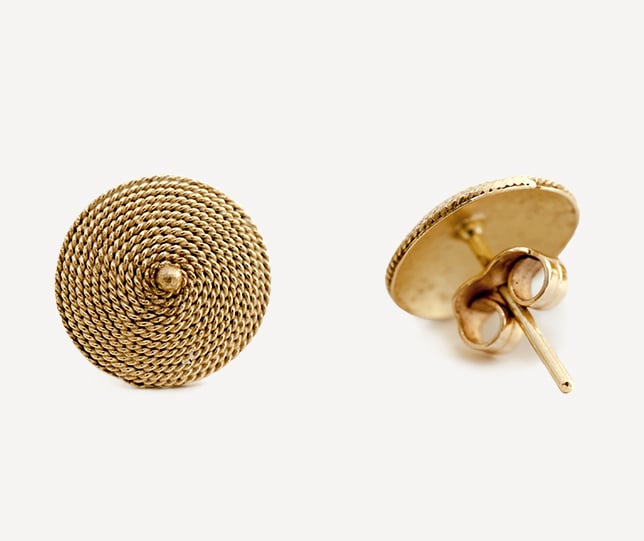
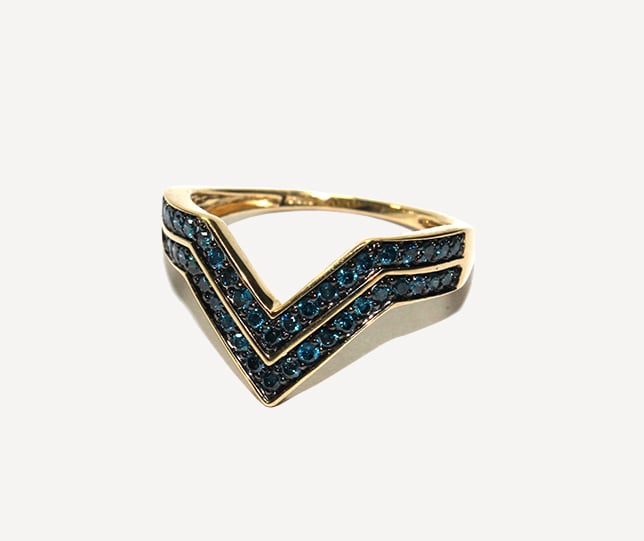
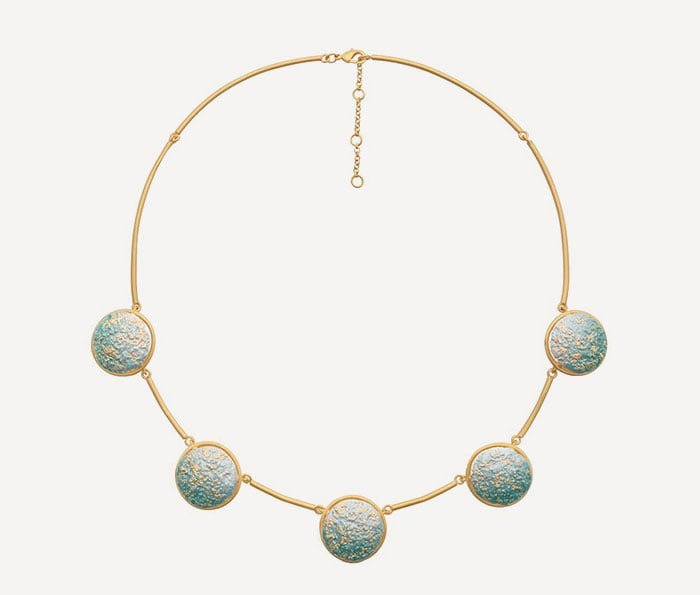
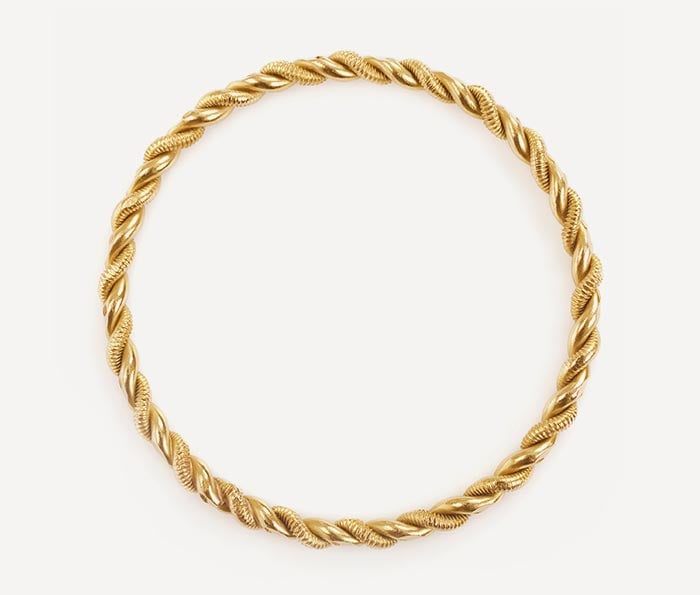
Gold jewelry (can be easy, but depends on sorting)
Jewelry is often the category that makes people think gold is “difficult” to sell. It’s not inherently difficult—there’s just more variation.
Why jewelry can be more complex:
- Different karats mixed together (10K, 14K, 18K, etc.)
- Stones and non-gold parts affect weight
- Some pieces are worth more as jewelry (brand/style) than as scrap
- Condition matters for resale value
Jewelry is easiest when it’s sorted and tested clearly. If a buyer simply lumps everything into one pile and gives you one number, you lose the ability to understand the offer—and it feels difficult.
Scrap gold (simple pricing, but requires transparency)
Scrap is gold that’s primarily valued for metal content: broken jewelry, single earrings, damaged chains, dental gold, and mixed pieces. Scrap can be easy to sell—if the buyer is transparent about testing and payout structure.
Collectible coins and estate items (often the most “difficult” if miscategorized)
If you have coins that might be collectible, the sale becomes more specialized. The challenge is not selling—it’s avoiding the mistake of selling a collectible item at scrap value. That’s why these items should be evaluated by someone who understands coins and premiums, not only melt value.
Why People Think Gold Is Hard to Sell
Most frustration comes from mismatched expectations. Here are the biggest ones:
Expectation 1: “I should get the market price I see online”
The market price you see quoted is not what buyers pay out to retail sellers in most situations. Buyers must cover:
- Testing and verification
- Refining or resale processing
- Operating costs
- Risk and margin
That difference is normal. A trustworthy buyer explains it clearly.
Expectation 2: “All gold is priced the same”
Two 14K rings can have very different outcomes depending on:
- Whether one is a branded/designer piece
- Whether one has stones that matter
- Whether one has craftsmanship value
- Condition and resale demand
Some items should be valued above melt; others are scrap.
Expectation 3: “Selling should be instant and simple no matter what I bring”
It can be—if your items are easy to verify and standard. But mixed lots require sorting and testing. The process can still be quick, but it should be careful.
What Actually Determines How Fast and Easy the Sale Is
If you want the clearest answer to is gold difficult to sell, it helps to know what determines “ease”:
- Verifiability
The easier it is to confirm authenticity and purity, the faster the transaction. - Standardization
Standard bullion is faster to price than mixed jewelry. - Demand and buyer specialization
A buyer who regularly trades what you have can price it confidently. - Transparency
Selling feels “easy” when you can see the testing, see the weights, and understand the pricing math. - Documentation
Documentation isn’t always required, but it can help streamline and increase confidence—especially for bars and certain coins.
How to Make Selling Gold Easy (A Practical Checklist)
Here’s how to remove friction before you even walk into a buyer.
Step 1: Sort your items into basic categories
Create separate groups:
- Jewelry
- Coins
- Bars
- Scrap/mixed pieces
This prevents a buyer from “scrap-pricing” everything by default.
Step 2: Separate jewelry by karat stamp if possible
Put 10K with 10K, 14K with 14K, and so on. If you don’t see a stamp, put it in a separate “unknown” pile for testing.
Step 3: Don’t clean coins or aggressively polish items
Cleaning can reduce value on collectible coins and can sometimes harm certain finishes.
Step 4: Bring any packaging or certificates you have (if applicable)
For bars and some coins, original packaging can make verification easier. If you don’t have it, a reputable buyer can still evaluate—this just helps.
Step 5: Ask for clarity on the offer math
The best buyers are comfortable explaining:
- Purity result
- Weight
- How they arrived at the offer
- Whether any items are treated as resale vs scrap
When the buyer can explain the numbers, selling stops feeling “difficult.”
If you’d like to talk through what you have and how to approach selling it, Reach Out through the site’s contact page.
Where You Sell Affects How “Difficult” It Feels
Choosing the right buyer is half the battle.
- Jewelers who buy gold can be excellent for jewelry and mixed lots, especially when they can distinguish resale pieces from scrap.
- Precious metals buyers/dealers are often ideal for bullion coins and bars.
- For collectible coins, you want someone who understands premiums and condition.
When you sell to the wrong type of buyer, gold can feel difficult to sell because your items aren’t being priced in the right lane.
Is Gold Difficult to Sell for Cash Quickly?
If your goal is speed, the easiest types are standard bullion coins and verifiable bars. Jewelry can also be quick if it’s tested and sorted efficiently.
But speed has a trade-off: the faster and more “no questions asked” the sale, the more likely it is you’ll receive a less favorable offer compared to a careful evaluation that separates scrap from resale value. That doesn’t mean “fast = bad,” it just means you should know what you’re optimizing for.
The Real Truth: Gold Usually Isn’t Hard to Sell—Uncertainty Is
Most people who think gold is difficult to sell are actually dealing with uncertainty:
- Uncertainty about purity
- Uncertainty about what’s scrap vs premium
- Uncertainty about how pricing works
- Uncertainty about whether the buyer is being fair
When you remove uncertainty with testing and transparency, selling gold becomes straightforward.
If you want a clear evaluation and a simple plan, Contact Us through the website.
Frequently Asked Questions About “Is Gold Difficult to Sell?”
1) Is gold difficult to sell compared to other valuables?
In many cases, gold is easier to sell than other valuables because it has a widely recognized underlying commodity value and consistent demand. Items like electronics, cars, collectibles, or furniture require finding the “right buyer” who wants that specific thing, and the price can be highly subjective. Gold is more formula-driven because offers start with measurable factors: purity and weight. Where gold becomes “difficult” is when what you’re selling requires extra interpretation—like jewelry with mixed karats or coins that may have collectible value. The good news is that those situations aren’t unsellable; they just need the right evaluation approach. If you want gold to be easy to sell, focus on transparency: visible testing, accurate weighing, and clear pricing explanation.
2) Why do offers vary so much when I try to sell gold?
Offers can vary for legitimate reasons. Different buyers have different overhead, different payout models, and different end markets (refinery vs resale). One buyer may treat a piece as pure scrap, while another may see resale value in the design or brand. For bullion, spreads can vary depending on demand and the buyer’s pricing structure. Also, how carefully a buyer tests and sorts can affect the outcome—especially for mixed jewelry lots. The best way to compare offers is to make sure you’re comparing the same assumptions: the same purity, the same weight, and a clear understanding of whether pieces were priced as scrap or as resale items. When offers are explained clearly, the process feels less confusing and far less “difficult.”
3) Is gold jewelry harder to sell than gold coins or bars?
Often, yes—jewelry can take more steps because purity varies and pieces can include stones, solder, mixed metal parts, or designs with value beyond melt. Coins and bars are typically more standardized, so pricing is faster and verification is simpler. That said, jewelry isn’t “hard” to sell if it’s evaluated correctly. The key is sorting and testing: separating items by karat where possible, confirming purity through testing, and then weighing accurately. A good buyer will also identify whether any pieces have resale value as jewelry rather than defaulting everything to scrap. When those steps happen in front of you with clear explanations, jewelry becomes easier to sell than many people expect.
4) How can I make selling gold easier and avoid getting a low offer?
Preparation makes a big difference. Sort your gold into categories (jewelry, coins, bars, scrap) and separate jewelry by stamped karat if possible. Don’t clean coins or polish items aggressively—especially if there’s any chance coins are collectible. Bring any documentation you have for bars or coins, and be ready to ask simple questions about the offer: what purity was used, what weight was used, and how the price was calculated. Also, choose the right type of buyer for what you have—dealers for bullion, jewelers for jewelry, specialists for collectibles. If the amount is significant, getting a second offer can be smart, but only if you compare apples to apples with the same assumptions.
5) Is gold difficult to sell in an emergency when I need money fast?
Gold can be one of the faster assets to sell in an emergency, particularly if you have standard bullion coins or verifiable bars. These can often be priced and purchased quickly because they’re straightforward to authenticate and value. Jewelry can also sell quickly, but it may require sorting and testing, and the offer will depend on karat and weight. The biggest challenge in an emergency is avoiding a rushed decision that leaves money on the table. If you’re selling under pressure, focus on transparency: insist on visible testing and weighing, ask for a clear explanation of the offer, and avoid anyone who tries to rush you without clarity. The goal is speed with confidence—not speed with regret.