Lab Grown Diamonds: What They Are, Why They’re Popular, and How to Buy with Confidence
Lab grown diamonds have moved from “new option” to a mainstream choice for engagement rings, fashion jewelry, and milestone gifts—and it’s easy to understand why. Shoppers love that lab grown diamonds deliver the same unmistakable diamond look and everyday durability, while often offering a better value in carat size or quality. They also make it easier to say “yes” to the styles people actually want right now: bigger center stones, clean modern settings, and bold essentials like tennis bracelets and diamond studs.
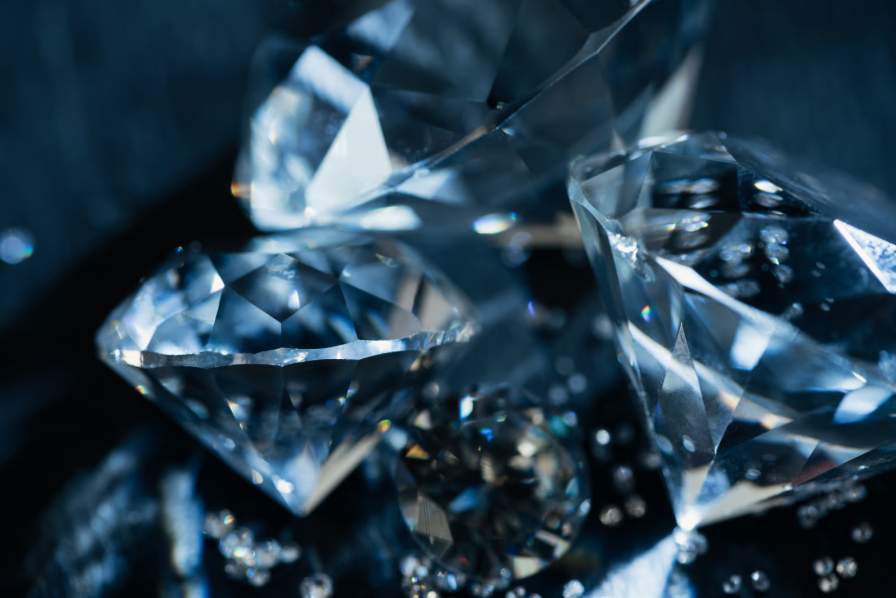
This guide is designed as a true pillar page—comprehensive, practical, and built to help you choose the right diamond with confidence. We’ll cover the questions we hear most often, including “Are lab grown diamonds real?”, “Lab grown vs natural diamond—what’s the difference?”, “Are lab grown diamonds worth it?”, and “How much do lab grown diamonds cost?” We’ll also walk through how to shop smart for the best lab grown diamonds, how certification works, and what to consider if you’re comparing moissanite vs lab grown diamond.
If you want hands-on help narrowing down options—shape, carat, cut quality, setting style, and budget—you can always Contact Us here at Rainbow Jewelers and we’ll guide you through it.
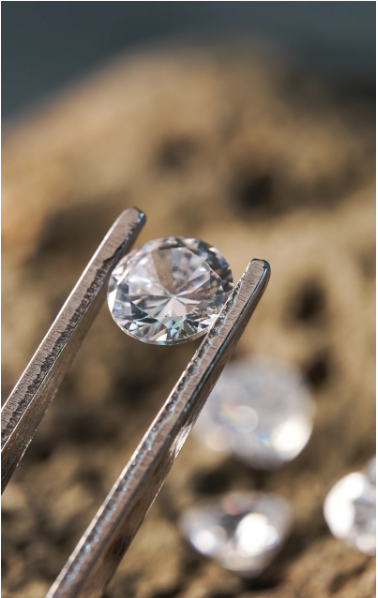
What Are Lab Grown Diamonds?
Lab grown diamonds (also called laboratory-grown, lab-created, or man-made diamonds) are diamonds produced in a controlled lab environment rather than mined from the earth. The key point: lab grown diamonds are still diamonds. The Gemological Institute of America (GIA) explains that lab-grown diamonds have essentially the same chemical composition and crystal structure as natural diamonds and look the same to the unaided eye. (GIA)
That matters because a lot of shoppers are trying to avoid confusion with “diamond alternatives.” There are three categories you’ll see in the market:
- Lab grown diamond: a real diamond (carbon crystal), grown in a lab
- Natural diamond: a real diamond (carbon crystal), formed in the earth
- Diamond simulants: non-diamond materials that resemble diamonds (like cubic zirconia), plus other gemstones that can look similar (like moissanite)
So if you’re asking “what are lab grown diamonds?” the clean answer is: a diamond, with a different origin story.
Are Lab Grown Diamonds Real?
Yes—lab grown diamonds are real diamonds. They are not “fake,” and they are not the same thing as cubic zirconia. As GIA puts it, lab-grown diamonds have essentially the same chemical composition and crystal structure as natural diamonds. (GIA)
What you’re paying for, in both natural and lab grown diamonds, is the finished gemstone: its brilliance, fire, scintillation, durability, and the quality factors that drive beauty (especially cut). Where lab grown diamonds differ is how they’re created and how the market prices them.
A quick trust tip: reputable jewelers are clear and direct about disclosure. The FTC’s jewelry guidance emphasizes truthful marketing and clear disclosures to avoid misleading consumers. (Federal Trade Commission)
How Lab Grown Diamonds Are Made: HPHT vs CVD
Most gem-quality lab grown diamonds are created using one of two processes:
- HPHT (High Pressure, High Temperature)
- CVD (Chemical Vapor Deposition)
GIA provides a straightforward overview of these growth processes and notes that lab-grown diamonds’ chemical and physical properties correspond very closely to natural diamonds. (GIA)
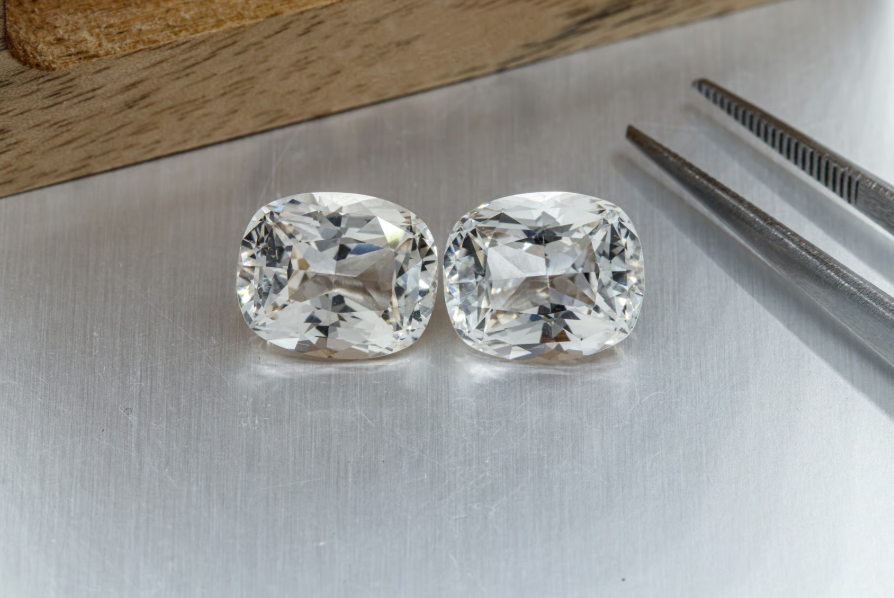
HPHT diamonds (High Pressure, High Temperature)
HPHT mimics the intense pressure and heat conditions under which diamonds form naturally. A small diamond “seed” is placed in a growth cell, and carbon is crystallized onto it under extreme conditions.
CVD diamonds (Chemical Vapor Deposition)
CVD grows diamond in layers from a carbon-rich gas inside a chamber. The process allows careful control over growth conditions, and the diamond crystal builds over time.
Does HPHT vs CVD matter when buying?
Usually, not as much as shoppers think. Both methods can produce stunning diamonds. From a buying standpoint, you’ll almost always get better results by focusing on the factors you can see and compare easily:
- Cut quality (sparkle)
- Proportions and light performance
- Color and clarity in the size range you want
- A reliable grading report and transparent disclosure
If you want us to help you compare diamonds side-by-side—so the differences are visual, not theoretical—Reach Out.
Lab Grown vs Natural Diamond: What’s the Difference?
The most helpful way to compare lab grown vs natural diamond is to separate “what the diamond is” from “how it got here.”
- Both are diamonds, with essentially the same composition and crystal structure (as described by GIA). (GIA)
- Both can be graded for quality and cut into the same shapes (round, oval, emerald, cushion, pear, etc.)
- Both are hard and durable for everyday wear
Origin
Natural diamonds form in the earth; lab grown diamonds are created in a lab.
Price and value-per-carat
Lab grown diamonds are typically priced lower than natural diamonds for a comparable look and size. That pricing difference is the reason many couples upgrade from a “maybe someday” carat size to the diamond they really want now.
Selection flexibility
Because pricing is often more accessible, lab grown shoppers frequently prioritize the “dream specs”: larger carat, higher color, and cleaner clarity—without sacrificing setting quality.
Market behavior (including resale)
The lab-grown market is evolving, and pricing can be more dynamic than mined diamonds. If long-term market behavior is a high priority for you, we’ll walk you through pros and cons candidly based on your goals: wear, symbolism, budget, upgrades, and lifestyle.
Lab Grown Diamond Cost: What Impacts Price?
If you’re researching lab grown diamond cost, you’ll notice price ranges can be wide. That’s because two diamonds of the same carat weight can look very different when you factor in cut precision, proportions, and grading.
Here are the biggest cost drivers:
Carat weight
Bigger diamonds cost more—though lab grown pricing tends to scale differently than natural diamonds.
Cut quality
Cut is the biggest driver of sparkle and often the biggest differentiator in “why does this diamond look better?” If you’re trying to maximize beauty, this is where smart money goes.
Color grade
Higher (more colorless) grades typically command higher prices, but you may not need the highest grade depending on setting metal and personal preference.
Clarity grade
Many shoppers do best by aiming for “eye-clean” rather than “highest clarity on paper.”
Shape
Round diamonds are typically priced at a premium compared to fancy shapes. Ovals, cushions, emerald cuts, and pears can offer a larger look per carat.
Certification and documentation
A trusted grading report is part of what makes a purchase feel safe and verifiable.
If you tell us your target budget and the look you want, we can help you find the best value combination (cut + shape + carat) without guesswork. Find Out More.
Best Lab Grown Diamonds: What “Best” Actually Means
“Best lab grown diamonds” means different things depending on your priorities. For some shoppers, “best” is maximum size. For others, it’s a crisp, colorless look. For many, it’s that perfect balance: a diamond that looks spectacular on the hand, is durable for daily wear, and fits the budget comfortably.
Use this practical checklist:
- Prioritize cut quality first
If two diamonds are the same carat weight, the one with superior cut can appear brighter, livelier, and more “expensive” looking. - Choose a shape that flatters your style and finger
Round is timeless brilliance. Oval is elegant and can look larger face-up. Emerald is sleek and architectural, but it’s less forgiving on clarity. - Aim for eye-clean clarity
Many diamonds look flawless without magnification even if they aren’t the highest clarity grade. “Eye-clean” is often the best real-world value. - Pick a sensible color range for your setting
White metals can make warmth easier to notice, while yellow gold can make near-colorless diamonds appear beautifully bright. - Insist on clear disclosure and reputable documentation
Truthful marketing and clear disclosure standards matter for consumer trust. (Federal Trade Commission)
Lab Grown Diamonds for Sale: How to Shop Safely (Online or In-Store)
Searching “lab grown diamonds for sale” can feel overwhelming because the market is packed with similar-looking listings and “too-good-to-be-true” deals. If you want a smooth experience—and a diamond you’re proud of—shop with a process:
Compare diamonds under multiple lighting types
Store lighting can make almost any diamond sparkle. The real test is how it performs in common lighting (bright, soft, indirect).
Read the grading report, then confirm it matches the diamond
Look for consistent identifying info and transparent origin disclosure.
Ask about upgrade paths and long-term care
If you plan to upgrade later, or if you want ongoing cleaning and inspections, choose a jeweler who supports you after the purchase.
Don’t ignore the setting quality
A gorgeous diamond can be undercut by weak prongs, thin bands, or poor craftsmanship. Engagement rings are daily-wear pieces—comfort and durability matter.
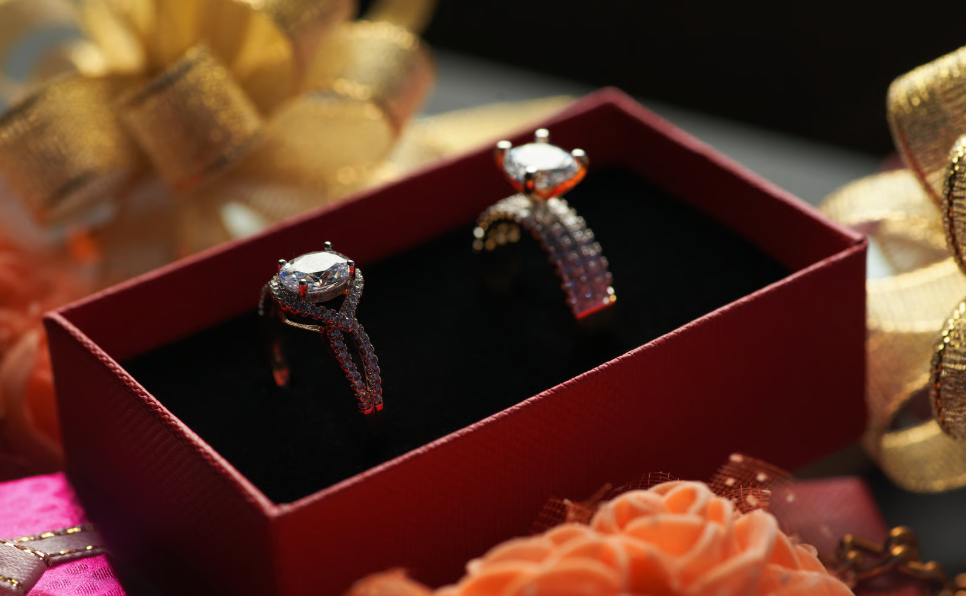
Lab Grown Diamond Rings: Everyday Style and Statement Looks
Lab Grown Diamond Rings
Lab grown diamond rings are popular because they make it easier to get exactly the look you want—especially if you’re choosing a larger center diamond or adding more accent stones.
Popular styles include:
- Solitaire (classic, clean, timeless)
- Hidden halo (sparkle from the profile view)
- Three-stone (symbolic and balanced)
- Bezel (sleek and protective)
- East-west settings (modern and bold)
Want help matching a ring style to your lifestyle (hands-on work, active hobbies, glove use, etc.)? Contact Us.
Lab Grown Diamond Engagement Rings
Lab grown diamond engagement rings are one of the biggest reasons lab-grown has surged in popularity. Couples can choose a larger or higher-quality diamond while keeping the overall ring budget comfortable—and still invest in a setting that’s built to last.
Three engagement ring decisions that matter most:
- Center stone shape and proportions
Pick a shape that fits your style, then ensure the stone is proportioned for strong light return. - Setting design and durability
If you’re active, a lower-profile setting or protective design can be a game-changer for comfort and security. - Band width and balance
A larger diamond can look “top heavy” on a very thin band. Matching band width to stone size makes the ring feel stable and look intentional.
Lab Grown Diamond Earrings
Lab grown diamond earrings—especially studs—are one of the smartest categories for value. You’re buying sparkle you can wear daily, and lab-grown pricing often makes it possible to go bigger without hesitation.
Most requested styles:
- Diamond studs (timeless, minimal, always right)
- Hoops with diamonds inside-out (high sparkle, high visibility)
- Drop earrings (events, anniversaries, weddings)
When choosing earrings, prioritize matching: color consistency, symmetry, and secure backs.
Lab Grown Diamond Necklace
A lab grown diamond necklace can be the most versatile diamond piece you own—easy to wear with casual outfits, office attire, and evening looks.
Popular choices:
- Solitaire pendant (simple and elegant)
- Halo pendant (extra sparkle and presence)
- Station necklace (diamond-by-the-yard style)
- Graduated or line designs for bigger statement moments
If you’re gifting, necklaces are a strong “safe win” because sizing is simple compared to rings.
Lab Grown Diamond Tennis Bracelet
Lab grown diamond tennis bracelet searches keep rising because this piece delivers maximum diamond impact with easy wearability. The best tennis bracelets are flexible, comfortable, and secure.
What to look for:
- Consistent sparkle and matching stones
- A secure clasp (with safety)
- Comfortable articulation (not stiff, not floppy)
- A length that fits your wrist properly
Lab Grown Diamond Band
A lab grown diamond band can serve as:
- A wedding band
- An anniversary upgrade
- A stacking ring for daily style
- A right-hand statement band
This is also a category where craftsmanship matters—a well-made band is comfortable, durable, and sits properly next to an engagement ring.
Carat Size Shopping: 1 Carat to 5 Carat Lab Grown Diamonds
Lab grown diamonds make larger carat sizes more approachable, so people often shop by milestone sizes.
Remember: carat is weight, not “how big it looks.” Shape and cut proportions can make two same-carat diamonds look noticeably different.
Are Lab Grown Diamonds Worth It?
“Are lab grown diamonds worth it?” is one of the most important questions—and the honest answer depends on what you value.
Lab grown diamonds are often “worth it” if you prioritize:
- Getting more diamond for your budget (size, color, clarity)
- A modern, transparent buying experience
- The look and durability of a diamond for everyday wear
Natural diamonds may be a better fit if you prioritize:
- Tradition and rarity tied to natural formation
- Certain long-term market preferences
- A specific emotional connection to mined origin
If you’re torn, the best next step is to compare options in person and decide based on what you love visually and emotionally—not just a spec sheet. Learn More.
Moissanite vs Lab Grown Diamond: What’s the Difference?
This comparison comes up constantly. Moissanite and lab grown diamonds can both be beautiful, but they’re not the same.
Choose a lab grown diamond if you want:
- A diamond (same category as mined diamond)
- The traditional diamond look and visual pattern
- A purchase aligned with standard diamond setting expectations
Choose moissanite if you want:
- A different gemstone with its own optical personality
- Often a lower cost per size
- A sparkle pattern that can show more rainbow flashes
The easiest way to decide is visual: see both under the same lighting and pick what you love.

Lab Grown Diamond Near Me: Wilkes-Barre, PA & Kingston, PA
If you’re searching “lab grown diamond near me,” the real goal is usually confidence: you want to see stones in person, ask questions, and feel certain about what you’re buying.
Shopping locally has practical advantages:
- Compare multiple diamonds side-by-side
- Review grading documentation together
- Get setting guidance for durability and comfort
- Have a jeweler for cleaning, inspections, and long-term care
If you’re looking for lab grown diamonds near Wilkes-Barre, PA or lab grown diamonds in Kingston, PA, we’re here to help you shop intelligently—without pressure, and with straightforward answers.
Frequently Asked Questions About “Lab Grown Diamonds: What They Are, Why They’re Popular, and How to Buy with Confidence”
Lab grown diamonds are real diamonds created in a lab instead of formed in the earth. The difference between a lab grown diamond and a simulant is material: a lab grown diamond is still diamond (carbon crystal), while simulants are other materials made to resemble diamonds (like cubic zirconia). Moissanite is also not a diamond—it’s a different gemstone with its own refractive behavior and sparkle pattern. GIA notes lab-grown diamonds have essentially the same chemical composition and crystal structure as natural diamonds and look the same to the unaided eye. Practically, this means you can choose lab-grown for a true diamond experience—diamond durability, diamond brilliance, and classic diamond setting styles—while enjoying pricing that often makes larger or higher-quality options accessible.
Yes—lab grown diamonds are real diamonds. They are not “fake,” and they are not automatically lower quality. The term “lab grown” describes origin, not appearance. According to GIA, lab-grown diamonds were made by humans in a lab rather than by nature, but they are real diamonds with essentially the same chemical composition and crystal structure as natural diamonds. The key consumer-protection issue is disclosure: you should always receive clear documentation and marketing language that accurately describes the diamond as laboratory-grown. That transparency is part of trustworthy jewelry buying, and it’s consistent with FTC guidance around truthful, non-deceptive representations.
For everyday wear, both lab grown and natural diamonds are excellent because both are diamonds—hard, durable, and suitable for daily rings and jewelry when set properly. The most meaningful differences are typically origin and price, not performance. Lab grown diamonds are created in a lab (HPHT or CVD processes), while natural diamonds formed in the earth over a very long time. That origin difference often drives pricing differences, which is why many shoppers choose lab grown for engagement rings or upgrades: it can allow a larger carat size or higher color/clarity within the same budget. If you’re comparing options for durability, focus less on “lab vs natural” and more on cut quality, setting strength, and lifestyle fit.
Lab grown diamond cost depends on carat, cut, color, clarity, shape, and the quality/credibility of the grading documentation. Among these, cut quality is often the biggest “looks expensive” driver because it determines how well the diamond returns light (sparkle and brilliance). Shape also matters: round diamonds often carry a premium compared to many fancy shapes. Certification matters because it supports trust and clarity in what you’re buying; IGI, for example, emphasizes the 4Cs as a universal language for grading both natural and lab-grown diamonds. The smartest way to shop is to decide your must-haves (carat range, shape, overall look), then optimize for cut and eye-clean clarity so you get a diamond that looks incredible in real-world lighting.
For many couples, lab grown diamonds are absolutely worth it—especially when the goal is to maximize beauty and presence while keeping the ring budget balanced. The value proposition is straightforward: lab grown often lets you choose a larger carat size, a higher color grade, or a cleaner clarity grade than you’d select in a natural diamond at the same price point. That can translate to a ring that simply looks more impressive on the hand. The “worth it” decision also includes your long-term preferences: some buyers prioritize natural origin or specific market behaviors, while others prioritize beauty-per-dollar and transparency. If you want a confident decision, compare two or three diamonds in person under multiple lighting environments and choose the one you genuinely love—then pair it with a setting built for durability and daily comfort.