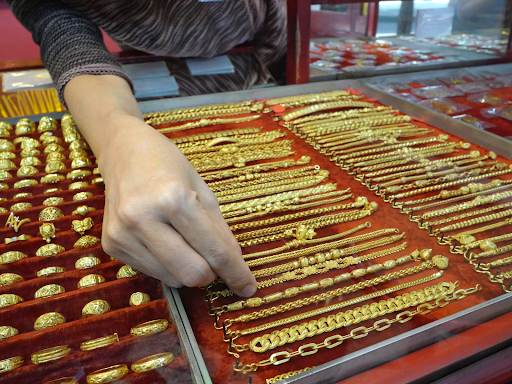
What fine jewelry holds value? The short answer is jewelry made with enduring precious metals, high quality gemstones, strong craftsmanship, and broad resale demand. In practical terms, pieces that hold value best are usually solid gold or platinum, natural diamonds with credible grading, signed designer jewelry, and timeless styles that remain wearable for decades. For buyers in Kingston and across the Wyoming Valley, this matters because fine jewelry is both personal and financial: it marks milestones, but it can also become an asset, an heirloom, or a source of liquidity if circumstances change.
As jewelers, we see the gap between retail price and long-term value every day. Fine jewelry is not the same as fashion jewelry. Fine jewelry is typically made from precious metals such as 14K, 18K, or platinum and set with genuine diamonds or colored gemstones. Value retention means how well a piece preserves worth over time, whether measured by resale price, trade-in potential, scrap metal value, collector demand, or family inheritance appeal. That distinction is important, because a beautiful piece can have sentimental value without necessarily having strong market value.
The question of What fine jewelry holds value depends on five factors: metal content, gemstone quality, brand recognition, condition, and market timing. A heavy 18K gold bracelet may retain value because gold has a transparent melt price. A one-carat diamond solitaire may hold value because demand is consistent and quality grades are standardized by labs such as GIA. A signed Cartier or Tiffany piece may outperform an unsigned equivalent because collectors pay for provenance and design history. Understanding these drivers helps you buy smarter, insure appropriately, and avoid common resale disappointments.
Precious metals create the floor of jewelry value
If you want the clearest answer to What fine jewelry holds value, start with metal. Precious metal gives jewelry an intrinsic baseline value even if trends change. Gold and platinum are the most reliable. Sterling silver is genuine fine jewelry metal, but it generally holds less value because its market price is much lower and it tarnishes more readily. In our experience handling buying, selling, and repairs, solid gold pieces are the most consistently liquid category because they can be worn, traded, or sold based on weight and purity.
Gold purity matters. Ten karat gold is durable, but it contains less pure gold than 14K or 18K, so its intrinsic value is lower. Fourteen karat gold often hits the best balance for value retention because it is sturdy enough for daily wear while still containing meaningful precious metal content. Eighteen karat gold has richer color and higher gold content, which supports value, though it can scratch more easily. Platinum is denser and rarer than gold, making it desirable in bridal jewelry, but resale can vary because buyers often focus more on total piece demand than rarity alone.
Weight also matters. A hollow chain may look substantial, but it will not hold value like a solid chain of the same size. That is why experienced buyers ask whether a bracelet is solid, semi-solid, or hollow and check the gram weight before discussing price. Hallmarks such as 14K, 18K, 750, PT950, and maker’s marks help confirm what a piece is. When customers bring in inherited jewelry, those stamps are one of the first things we inspect because they provide the starting point for valuation and possible resale.
Diamond quality and certification drive demand
Diamonds can hold value well, but only when quality is documented and the stone is commercially desirable. The market uses the 4Cs: carat, cut, color, and clarity. Among these, cut is the most visible performance factor because it determines how well the diamond returns light. A well-cut round brilliant often resells more easily than a poorly cut larger stone because buyers trust its beauty and standardization. Colorless to near-colorless diamonds in clean clarities and popular sizes, especially around one carat, generally have the strongest ongoing demand.
Certification matters because the resale market relies on consistency. A diamond graded by GIA is easier to evaluate than one described only on an old receipt. The report gives objective information that a buyer, appraiser, insurer, or jeweler can reference. Without that documentation, the stone may still have value, but the buyer must verify details independently, which usually reduces confidence and price. This is why engagement rings with GIA graded center stones tend to hold value better than similar rings sold without recognized lab paperwork.
Shape and treatment also affect value retention. Round diamonds typically have the broadest market. Fancy shapes such as oval, emerald, and cushion can be valuable, but resale demand is narrower and trend sensitive. Treated diamonds, heavily included stones, and commercial-grade melee jewelry generally do not perform as well. Lab-grown diamonds deserve a balanced note here: they are real diamonds and excellent for beauty and budget, but they usually depreciate faster than natural diamonds because production capacity has expanded and market prices have fallen over the last several years.
Designer signatures, provenance, and timeless design matter
Brand can be a major value multiplier. Signed pieces from Cartier, Tiffany & Co., Van Cleef & Arpels, David Yurman, Bulgari, and similar houses often hold value better than comparable unsigned jewelry because buyers recognize the design language, workmanship, and resale reputation. In the secondary market, provenance is currency. Original boxes, papers, receipts, serial numbers, and matching hallmarks can increase confidence and shorten selling time. We have seen buyers pay meaningfully more for a signed bracelet with complete documentation than for an equally attractive but undocumented alternative.
Style longevity is equally important. Jewelry that holds value usually avoids ultra-specific short-term trends. Classic solitaire engagement rings, diamond stud earrings, tennis bracelets, simple gold chains, and well-made hoop earrings remain in demand because they are versatile and easy to wear. By contrast, highly seasonal statement pieces can lose momentum once tastes shift. Antique and vintage jewelry can be exceptions, but only when era, craftsmanship, and condition align. Art Deco diamond rings, for example, often retain strong appeal because the design period is historically recognized and consistently collected.
| Jewelry type | Why it holds value | Main limitation |
|---|---|---|
| 14K or 18K solid gold chain | Intrinsic metal value, broad resale market, easy weight-based pricing | Designer premium may not fully return |
| Platinum diamond solitaire | Timeless bridal demand, durable setting, strong center-stone market | Retail markups vary widely |
| GIA-certified natural diamond studs | Standardized grading, consistent gift and wardrobe demand | Mismatched stones reduce appeal |
| Signed luxury jewelry | Collector demand, recognizable brand, provenance premium | Condition and authenticity are critical |
Condition, maintenance, and documentation protect resale value
Even excellent jewelry loses value when it is damaged, altered poorly, or missing critical information. Condition affects both beauty and buyer risk. Worn prongs, chipped stones, broken clasps, thin shanks, and sloppy solder work can lower offers because the next owner or dealer must pay for restoration. Regular inspection is one of the simplest ways to protect value. We recommend checking frequently worn rings and bracelets at least annually, especially pieces with pavé diamonds or shared prongs, because preventative repair is cheaper than replacing a lost stone.
Documentation is the second protective layer. Keep diamond grading reports, appraisals, purchase receipts, and service records together. An appraisal does not equal resale value, but it helps identify materials and specifications. Insurance appraisals are often higher than cash offers because they reflect replacement cost in a retail setting, not secondary-market demand. Still, complete paperwork builds trust. If you ever sell, trade, or pass a piece to family, that file gives the next person a reliable starting point and reduces uncertainty during evaluation.
Proper care also matters more than many owners realize. Store jewelry separately to avoid scratching, remove rings during heavy lifting or gardening, and have white gold rhodium replated as needed to maintain appearance. For pearl and opal pieces, avoid harsh chemicals and dryness because these materials are softer and more sensitive. Fine jewelry that holds value is usually durable, but durability is not invincibility. The better the condition and the cleaner the ownership history, the stronger the market response when it is time to sell or upgrade.
How to buy fine jewelry with long-term value in mind
If your goal is to answer What fine jewelry holds value before you buy, focus on liquidity, not just looks. Choose solid precious metals, ask about total gram weight, and verify gemstone quality with independent grading when appropriate. For diamonds, prioritize cut quality and lab documentation over inflated carat size. For everyday pieces, buy classic forms that people consistently seek out. If you love designer jewelry, confirm authenticity and compare secondary-market prices before paying a premium. These steps reduce emotional overspending and improve long-term satisfaction.
It also helps to buy from a jeweler who provides on-site service, transparent education, and realistic expectations. A trustworthy store will explain the difference between replacement value, estate value, and scrap value without pressure. They will tell you when a lab-grown diamond is the best beauty choice and when a natural certified diamond is the stronger value-retention choice. They will also inspect inherited pieces honestly and separate sentimental worth from market worth. That guidance is especially useful for families deciding whether to restore, redesign, insure, or sell older jewelry.
What fine jewelry holds value? In the clearest terms, solid gold and platinum jewelry, certified natural diamond pieces, signed designer jewelry, and timeless classics hold value best because they combine intrinsic materials with proven demand. Condition, documentation, and expert maintenance strengthen that value, while trend-driven design, weak craftsmanship, and missing paperwork weaken it. If you want jewelry that feels meaningful today and remains credible tomorrow, buy quality you can verify, care for it properly, and work with a jeweler who will evaluate it transparently. If you are building a collection, upgrading an engagement ring, or reviewing inherited pieces, start with a professional assessment so you know exactly what you own and what it is likely to retain.
Frequently Asked Questions
What types of fine jewelry tend to hold value the best?
The fine jewelry that usually holds value best is made with durable precious metals, high quality natural gemstones, and craftsmanship that stands the test of time. In most cases, solid gold and platinum pieces perform better than jewelry made with plated metals or lower value alloys because the underlying material itself has lasting worth. Natural diamonds, especially stones with strong color, clarity, cut, and carat weight supported by credible grading reports, also tend to retain value better than mass-market gemstone jewelry. Signed designer pieces from respected houses can be especially desirable because they combine material value with brand demand and collector interest.
Style matters too. Timeless designs such as diamond studs, tennis bracelets, classic solitaires, gold chains, and simple platinum wedding sets generally remain wearable and marketable for decades. These pieces appeal to a broad audience, which helps resale potential. By contrast, highly trend-driven jewelry may be beautiful and enjoyable to wear, but it can be harder to resell at a strong price once styles change. For buyers in Kingston and throughout the Wyoming Valley, the safest long-term choices are usually pieces that balance precious materials, enduring design, and proven demand in the secondhand market.
Does gold jewelry hold value better than diamond jewelry?
Gold jewelry and diamond jewelry hold value for different reasons, so one is not automatically better in every situation. Gold has a clear built-in value because it is a globally traded precious metal. A solid gold ring, bracelet, or chain always carries value based on its purity and weight, even if the design itself is simple. That makes gold easier to evaluate from a baseline resale perspective. Pieces in 14K, 18K, and higher purities often perform well, especially when they are heavy, well made, and in classic styles. Platinum can offer similar strength because of its rarity, density, and long-standing reputation in fine jewelry.
Diamonds can also hold value, but they are more selective. Not every diamond piece performs equally on resale. Jewelry set with natural diamonds of higher quality, larger size, and strong certification typically does better than small commercial-grade stones in mass-produced settings. The market also tends to favor classic diamond jewelry over fashion-forward designs with limited appeal. In practical terms, a solid gold piece gives you metal value you can easily understand, while a diamond piece depends more heavily on gemstone quality, documentation, and buyer demand. The strongest value retention often comes from jewelry that combines both: substantial gold or platinum plus well-chosen natural diamonds.
How important are brand names and designer signatures when it comes to resale value?
Brand names can be extremely important in fine jewelry resale, particularly when the maker has a strong reputation for design, quality, and exclusivity. Signed jewelry from established houses often commands more attention than an unsigned piece with similar materials because buyers are paying for provenance, craftsmanship, and collector appeal in addition to gold, platinum, or gemstones. Well-known designers and luxury brands have loyal followings, and that can create stronger demand in both local and national resale markets. A properly hallmarked and authenticated piece may be easier to market and may command a premium compared with a comparable unsigned item.
That said, the signature alone does not guarantee high value. Condition, authenticity, rarity, and current market demand still matter. A damaged or heavily worn designer piece may not perform as well as a beautifully made non-designer item with excellent materials. Original boxes, receipts, certificates, and service records can also help support resale value because they make the piece easier to verify and more appealing to serious buyers. If you are purchasing jewelry with long-term value in mind, signed designer pieces can be a smart category to consider, but they should still be evaluated carefully for quality, condition, and broad market appeal.
Do timeless jewelry styles really make a difference in how well a piece keeps its value?
Yes, timeless style plays a major role in value retention because resale demand depends on whether future buyers still want to wear the piece. Jewelry that remains elegant across generations generally attracts a wider audience than trend-based designs tied to a specific era. Classic pieces such as solitaire engagement rings, diamond studs, line bracelets, pearl strands, plain gold bands, and substantial gold chains tend to stay relevant because they are versatile, easy to wear, and appropriate for many ages and occasions. That broad appeal supports stronger long-term marketability.
Timeless does not mean plain or boring. It means the design has staying power. Fine jewelry that is clean, balanced, and wearable year after year often performs better than pieces built around short-lived fashion trends, unusual novelty motifs, or highly specific seasonal looks. If you are buying with both enjoyment and potential resale in mind, choosing a classic design can help protect your investment. In a market like Kingston and the Wyoming Valley, where many buyers want jewelry that marks milestones and can eventually be passed down, timeless style is often one of the clearest signs that a piece will remain desirable over time.
What should buyers look for if they want fine jewelry that has both emotional and financial value?
Buyers should focus on four fundamentals: material quality, gemstone quality, craftsmanship, and documentation. Start with solid precious metals such as 14K or 18K gold and platinum rather than plated or hollow pieces that may not wear as well. If the jewelry includes diamonds or other gemstones, prioritize natural stones with strong color, clarity, cut, and overall visual appeal. For diamonds in particular, credible grading reports from respected laboratories can make a meaningful difference in buyer confidence and future resale. Beyond the materials, inspect how the piece is made. Strong settings, smooth finishing, secure clasps, and thoughtful design details are signs of quality construction that support longevity.
It is also wise to think about the future market for the piece. Jewelry that is easy to wear, from a recognizable maker, and in a style that will still look relevant years from now usually offers the best balance of sentiment and value. Keep all receipts, appraisals, certificates, and branded packaging, since those details can strengthen resale potential later. Most importantly, buy something with lasting personal meaning. Fine jewelry is often at its best when it serves both purposes at once: it celebrates an important life moment today while remaining a tangible asset you can enjoy, insure, pass down, or resell with confidence later on.