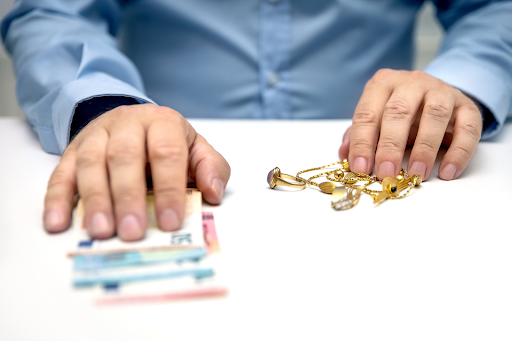
If you’ve got a handful of chains, a broken bracelet, or estate pieces collecting dust, the big question is simple: who pays the most? The answer isn’t just a single shop name—it’s a method. The best price comes from a buyer who (1) tests accurately, (2) shows the math, and (3) competes on payout percentage, not hype. In this guide, you’ll learn how to compare offers like a pro, when resale beats melt, and how to avoid the tricks that quietly shave dollars off your total.
Whether you’re selling one ring or an entire jewelry box, this framework will help you walk out with more money and zero doubts.
What a “best price” really means
A strong offer is the combination of:
- Spot price of gold (24k): The global market price for pure gold. It moves intraday. Your item’s melt value starts here.
- Purity (karat) and weight: Most jewelry is 10k, 14k, or 18k—not pure. A 14k piece contains 58.5% gold; 10k has 41.7%; 18k has 75%. Your buyer calculates the amount of pure gold by multiplying total weight by the karat’s purity percentage.
- Payout percentage (after refining costs): This is the lever buyers control. Transparent shops tell you the melt value and then the exact percent they’re paying, so you can comparison-shop apples to apples.
Bottom line: The “best price” isn’t a billboard slogan; it’s transparent testing + accurate purity + a competitive payout percentage you can verify.
If you’re comparing gold buyers Kingston, start with those three points and you’ll immediately narrow your list.
The side-by-side comparison method (works in 20 minutes)
- Bring a mixed batch: Earrings, broken chains, single studs—everything.
- Ask for in-front-of-you testing: Hallmarks checked, acid or XRF test for karat.
- Get written quotes from 2–3 buyers the same day: This removes market fluctuation as a variable.
- Request the four-line breakdown:
Item/karat grouping
Total weight
Spot price reference
Payout percentage and final cash offer
5. Compare by payout percent and total: Highest verified number wins.
Tip: Photograph each offer sheet. If a buyer hesitates to give a written quote, that’s your sign to keep walking.
Example: understanding the math (no guesswork)
Let’s say your 14k bundle weighs 20 grams.
Pure gold content ≈ 20 g × 58.5% = 11.7 g (0.376 troy oz).
If spot is $2,350/oz, melt value ≈ 0.376 × $2,350 ≈ $883.
Payouts vary:
70% = ~$618
80% = ~$706
85% = ~$751
Those differences add up fast. The right shop earns your business by making this math easy to see—and by paying the higher percentage consistently.
Where people sell and how each option affects your payout
Local jeweler who buys gold: Often the best overall experience: accurate testing while you watch, immediate payment, and options to sell as scrap or explore resale/consignment for designer pieces that may beat melt.
Mail-in gold kits: Convenient but you lose visibility. Some pay less, and declining a lowball offer can be slow. If you use one, screenshot the kit’s stated payout formula before shipping.
Pawn shop: Great for short-term loans. If your goal is highest payout for selling, a dedicated gold-buying jeweler usually beats pawn terms designed for lending, not top purchase prices.
Online marketplaces: Good for branded/designer items in pristine condition, but you’re handling photography, listings, buyer questions, fees, and potential returns. Not ideal for scrap.
If you’ve been searching for “places to sell gold near me”, use the comparison method above—then trust the math, not the marketing.
When “retail resale” beats scrap (and when it doesn’t)
- Beats scrap: Well-known designer pieces, flagship collections, and items with desirable natural diamonds in excellent condition and complete with boxes/paperwork.
- Usually scrap: Broken chains, worn rings, single earrings, generic pieces with heavy wear, or non-working clasps.
- Hybrid play: Remove valuable stones and sell the gold for melt; keep or sell stones separately.
Pro move: Ask your jeweler for two numbers—scrap offer and resale/consignment estimate—so you can decide with real data.
Red flags that kill your payout
- Back-room testing: If they won’t test in front of you, why not?
- “All 10k” claim for mixed items: Under-karating is a classic underpay tactic.
- No written breakdown: Without itemized details, you can’t compare offers.
- Scale shenanigans: The scale should be calibrated and visible; grams should be the standard for jewelry.
- Pressure tactics: “This price is only good for the next ten minutes” is not a trust signal.
Green flags of a high-payout shop
- Explains karat and weight clearly and invites questions.
- Shows spot price source and how it feeds your melt value.
- Posts or states payout percentages by karat tier.
- Offers options (scrap vs. resale/consignment) for the same item.
- Issues a written offer and happily lets you compare.
If you’re homing in on the best place to sell gold jewelry for cash near me, those green flags are your checklist.
How to prep your items to boost the offer
- Sort by suspected karat: Keep 10k, 14k, and 18k in separate bags.
- Remove obvious non-gold parts: Rubber earring backs, base-metal key rings, or large non-gold clasps.
- Decide on stones ahead of time: Keep, sell separately, or include?
- Bring docs: Appraisals, receipts, brand certificates, or hallmark photos help if resale is on the table.
- Clean lightly: A quick wipe helps the jeweler see hallmarks and prongs—but no need to ultrasonically clean at home.
Timing: should you wait for a higher spot price?
Gold moves, but your net result depends more on karat accuracy and payout percentage than tiny day-to-day market changes. If you’ve gathered two or three transparent offers in the same week and they’re close—and they meet your financial goal—locking in a strong, verified offer is usually smarter than chasing an unpredictable uptick.
What a trustworthy buyer looks like
- Experience: Years in the community, staff who can articulate testing and pricing.
- Evidence: On-the-spot testing, calibrated scales, and documented quotes.
- Authority: Clear explanations of karat/purity, melt math, and resale pathways; willingness to advise when resale beats scrap.
- Trust: Consistent reviews, fair policies, and no-pressure service.
If you’re comparing gold buyers Wilkes Barre, use these signals to separate true pros from fast-talkers.
A simple seller’s script (use this verbatim)
“Please test every piece in front of me, group them by karat, and weigh them separately. Show me today’s spot reference, your payout percentage by karat, and my final offer in writing. I’d also like a resale/consignment estimate on anything that might beat scrap.”
Great buyers will nod and get to work—because that’s exactly how it should be done.
What to do if offers don’t match
- Ask to re-test the pieces that drive the biggest difference.
- Check grouping: Were 14k pieces accidentally grouped with 10k?
- Confirm scale units: Grams vs. pennyweight (dwt) conversions should be accurate.
- Recalculate: Use the example math to sanity-check totals.
- Choose the shop that’s both accurate and competitive—clarity matters as much as the final number.
Quick takeaway
The highest payout isn’t luck. It’s the result of a repeatable process: transparent testing, clear melt math, and a strong, documented payout percentage. Use the steps above, compare two or three written quotes the same day, and sell with confidence.
If you’re ready to put this playbook to work, start with reputable local experts known for clarity and competitive offers. Your wallet—and your peace of mind—will thank you.
FAQ About Who is Paying the Best Price For Gold
1) How do buyers decide what to pay for my gold?
Offers start with the melt value of your specific items. A buyer tests each piece to confirm karat (purity) and weighs it to calculate the amount of pure gold. They then multiply that pure-gold weight by the current spot price to get melt value and apply a payout percentage to cover refining, labor, and risk. Transparent buyers show each step in writing—spot reference, karat grouping, total weight, percentage, and your final cash offer. If a shop can’t explain the formula in plain English or won’t put it on paper, you’re not looking at the best price.
2) Why do quotes from different shops vary so much?
Three reasons: (1) Testing accuracy: Under-karating or weighing pieces together can reduce your total. (2) Payout percentage: Some buyers pay 70%, some 80–90%+ depending on item type and volume. (3) Options beyond scrap: A designer piece in excellent condition may command more than melt; some shops only quote scrap. Get written quotes from at least two buyers on the same day, with itemized details. The cleanest, highest number—validated by transparent math—wins. If a quote is oddly high without documentation, be cautious: the final check may shrink after “additional tests.”
3) Should I sell as scrap or try to resell my jewelry?
It depends on the piece and your timeline. Scrap is fast—you’re paid immediately based on melt value. Resale or consignment can pay more for branded, in-demand designs in great condition, especially with original boxes and certificates. The trade-off is time and potential fees. Ask your buyer for two numbers: a same-day scrap offer and a resale/consignment estimate. If the resale premium outweighs the wait, it’s worth considering; otherwise, scrap keeps things simple. Some sellers split the difference: scrap broken or generic items, and consign one or two standout pieces for a potentially higher return.
4) How can I spot a fair, high-payout buyer quickly?
Look for testing performed in front of you, calibrated scales in grams, and a printed or written quote that lists karat groups, weights, spot reference, and payout percentage. Ask the buyer to explain each line so you could replicate the math yourself. Bonus points for offering both scrap and resale options. Red flags include back-room testing, refusal to provide a breakdown, pressure tactics, or vague “highest price” claims with no documentation. A reputable buyer will be patient, educational, and consistent—because they know informed sellers become repeat customers and refer friends.
5) What should I do before I visit a buyer to maximize my offer?
Organize your items by suspected karat, remove obvious non-gold components, and decide in advance whether to keep or sell any diamonds or gemstones. Bring appraisals, receipts, or brand certificates if you have them—especially for designer pieces that might beat melt. Take clear photos of hallmarks and any serial numbers. Plan to request two numbers (scrap and resale/consignment) to see which path pays more. Finally, visit two or three buyers the same day and insist on written, itemized quotes. With a little prep and side-by-side comparison, you’ll quickly identify the best price—and sell with confidence.