Diamond jewelry in Wilkes-Barre means more than a single engagement ring case or a holiday gift. It covers the full range of pieces people in Northeast Pennsylvania actually wear, including diamond rings, diamond earrings, diamond necklaces, and diamond bracelets for daily use, milestone moments, and family occasions. When shoppers start researching these pieces, they usually want the same answers: what styles are available, how quality affects price, what makes one setting better for everyday wear, and whether it is smarter to shop in person near Kingston and Wilkes-Barre instead of guessing from photos online.
Those questions matter because diamond jewelry is not one category with one buying rule. A pair of diamond studs is judged differently than a tennis bracelet. A solitaire pendant has different durability concerns than a halo ring. Natural diamonds and lab grown diamonds can both be excellent choices, but you need to understand cut, color, clarity, carat weight, metal type, and setting style before you decide what fits your budget and your life. We help local shoppers sort through those details every day, and the biggest difference usually comes from seeing pieces in person, comparing them side by side, and talking through tradeoffs clearly.
In the Wilkes-Barre area, people tend to shop with practicality in mind. They want pieces that look beautiful but also hold up to work, errands, kids, winter gloves, and real daily wear. That is why a local guide is useful. Instead of speaking in broad national terms, it helps to explain which diamond jewelry styles make sense for anniversaries, birthdays, weddings, pushes presents, graduations, and self-purchases right here in NEPA. This article is your hub for the category, with a straightforward look at the main piece types, how to compare them, and what to expect when shopping in person.
Diamond rings: everyday style, anniversaries, and statement pieces
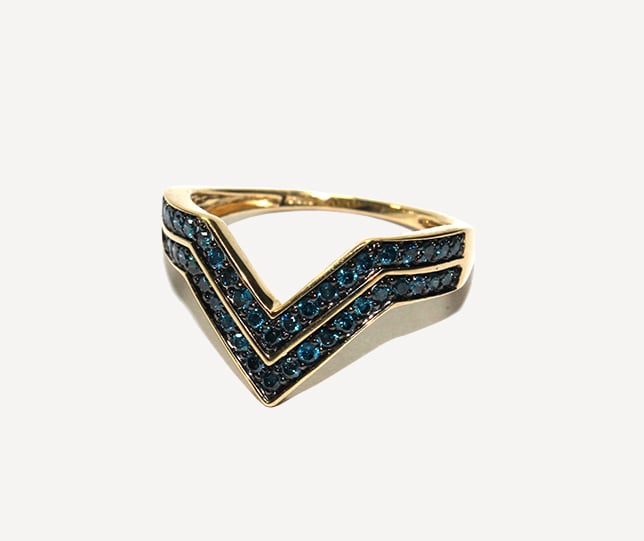
Diamond rings are often associated with engagements, but the category is much broader. In our store, shoppers from Wilkes-Barre, Scranton, and Hazleton also look for anniversary bands, right-hand rings, stackable bands, birthstone and diamond combinations, and fashion rings that can be worn every day. The key difference between ring styles is function. Some are built to be worn nonstop. Others are better for occasional wear because they have taller settings, more exposed stones, or finer accent work.
If you are choosing a diamond ring for regular wear, pay attention to the setting first. A low-set solitaire, bezel setting, or well-built prong setting usually handles daily life better than a very delicate halo with many tiny stones. Metal matters too. 14K white gold and 14K yellow gold are common choices because they balance durability, color, and budget well. Rose gold appeals to shoppers who want a warmer tone, especially with vintage style rings. If you are comparing center stones, cut quality should lead the conversation because a well-cut diamond returns more light and looks brighter even when carat weight is modest.
For readers who want a broader overview of stones, settings, and category basics, our main guide to diamond jewelry is the best starting point before narrowing down a specific piece type.
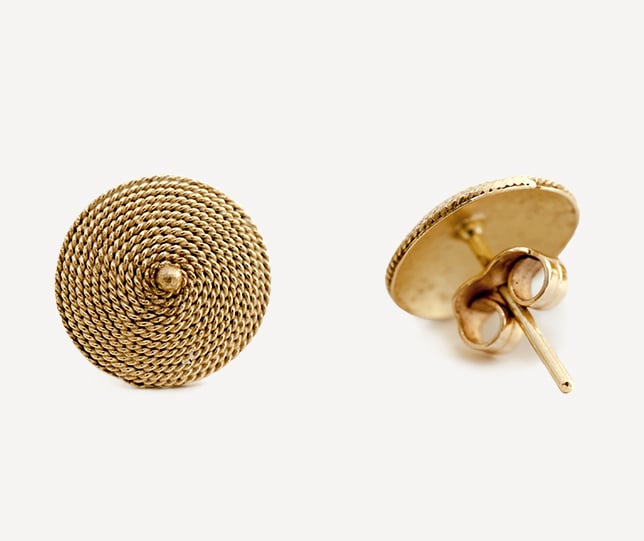
Diamond earrings: studs, hoops, and drop styles
Diamond earrings are one of the easiest pieces to buy well because they are versatile, giftable, and less affected by finger size or fit concerns. The most common first purchase is a pair of diamond studs. Studs work for daily wear, office settings, weddings, and casual weekends. They are also one of the clearest categories for understanding value. Two diamonds may have the same total carat weight, but the pair with stronger cut and better matching will usually look better than a heavier pair with weaker brilliance.
Shoppers often ask what size diamond studs look right for everyday use. In plain terms, many people start with modest sizes that add sparkle without feeling dressy, then move up later for an anniversary or upgrade. Setting style changes the look too. Martini settings sit lower and can feel neat and compact. Basket settings offer a classic profile and secure support. Screw backs or guardian backs give added peace of mind, especially for a piece you plan to wear often.
Beyond studs, diamond hoops and drop earrings serve different needs. Hoops can range from subtle inside-out styles to larger statement pieces. Drop earrings are common for formal events, mothers of the bride, and anniversary gifts. If you want comfort, weight and balance matter just as much as appearance. We always recommend trying earrings on in person because a pair that looks perfect in a case may sit differently on the ear once worn.
Diamond necklaces: pendants, solitaire styles, and layered looks
Diamond necklaces are popular because they are easy to wear and easy to gift. A solitaire diamond pendant remains one of the best all-around choices. It is simple, clean, and appropriate for almost any age. It can mark a graduation, anniversary, new baby, or birthday without feeling overdone. In Wilkes-Barre and nearby towns, many shoppers prefer necklaces that can move from workday wear to dinner out without needing to be swapped.
When evaluating a diamond necklace, the chain is part of the purchase, not an afterthought. A fine pendant on a weak chain creates problems later. Cable chains and box chains are common because they are durable and pair well with solitaire pendants, halos, and small station designs. Length also changes how a necklace wears. A shorter chain keeps the diamond closer to the collarbone, while a longer chain creates more layering flexibility. If you already wear a cross, initial, or family pendant, bring it in so you can see how the diamond piece will sit with what you own.
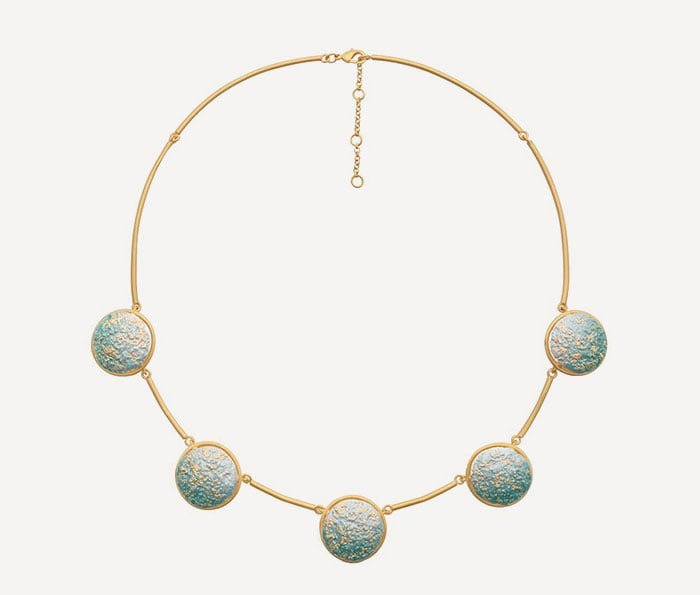
Another growing category is diamond fashion necklaces with bars, circles, clustered stones, or mixed gemstone accents. These can be meaningful gift pieces without requiring a large center diamond budget. The main thing to check is how the stones are set and how the necklace moves. A pretty design should still lie flat, feel balanced, and hold up to normal wear.
Diamond bracelets: tennis bracelets and durable daily wear
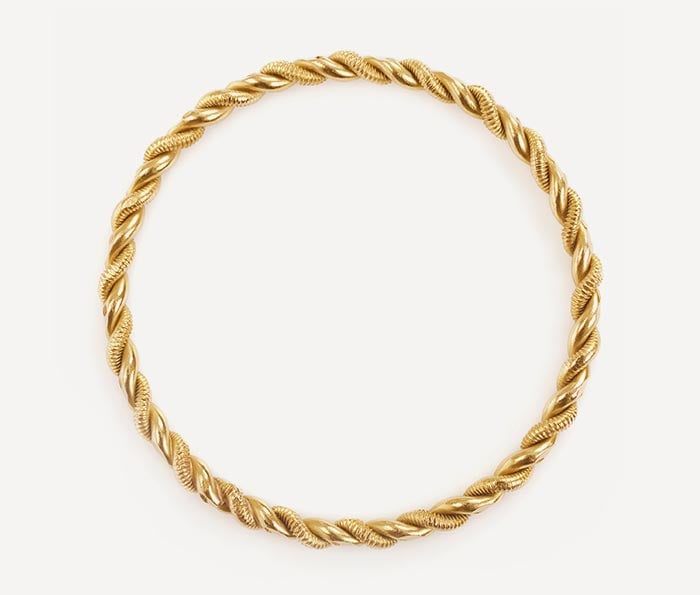
Diamond bracelets often feel like a special-occasion purchase, but many are practical enough for regular wear if they are made well. The classic example is the diamond tennis bracelet. Its appeal comes from flexibility, consistent sparkle, and a clean look that works with both dress clothes and jeans. Quality in this category depends heavily on construction. You are not only buying the diamonds. You are buying the strength of the links, the security of the setting, and the reliability of the clasp.
Because bracelets take more movement and contact than pendants, shoppers should inspect the build carefully. A safety latch is important. The settings should look even. The bracelet should flex smoothly without feeling loose or kinked. If the stones are shared prong set, the workmanship needs to be clean so the bracelet remains secure over time. For someone who wants a more budget-conscious option, smaller total carat weight bracelets or diamond bar bracelets can provide the same general look with lower cost and easier daily wear.
| Piece Type | Best For | Main Quality Priority | Practical Buying Tip |
|---|---|---|---|
| Rings | Anniversaries, fashion wear, stacking | Setting durability and cut | Choose a lower profile for daily wear |
| Earrings | Gifts, everyday sparkle, weddings | Matching and secure backs | Try on to judge size on the ear |
| Necklaces | Graduations, birthdays, layering | Chain strength and stone presentation | Bring other necklaces to compare lengths |
| Bracelets | Anniversaries, milestone gifts | Link construction and clasp security | Check for a safety latch before buying |
How to judge diamond quality across every jewelry type
No matter which category you shop, the same quality fundamentals apply. Cut is usually the most visible factor because it controls how much light the diamond reflects back to your eye. Color measures how white the stone appears. Clarity looks at internal characteristics and surface marks. Carat weight describes size, but size alone does not tell you whether a diamond will look lively. In smaller accent stones, uniformity and setting quality may matter more than individual grading. In center stones, grading reports become more important.
For larger natural diamonds, many shoppers prefer GIA certified diamonds because the grading report gives an independent description of the stone. That report helps you compare options more accurately. With diamond jewelry that uses many smaller stones, consistency is the main issue. You want stones that face up evenly, show good sparkle together, and suit the design. This is one reason in-person shopping helps. Under showroom lighting and natural light, differences become easier to see.
Lab grown diamonds also deserve a clear explanation. They are real diamonds with the same basic chemical composition as natural diamonds. The difference is origin, not appearance category. Many NEPA couples and gift buyers choose lab created diamonds because they can often reach a larger size or higher color and clarity range for the same budget. Natural diamonds still appeal to shoppers who value geological origin. Neither choice is automatically better. The right choice depends on your priorities.
Why local Wilkes-Barre shoppers benefit from seeing diamond jewelry in person
Photos are helpful, but diamond jewelry is one of the hardest categories to judge on a screen. Size can look larger or smaller depending on the image. White gold can photograph differently than it looks in person. Earrings may seem lightweight but feel heavy on the ear. A ring may appear delicate until you notice how high it sits. When you shop near Wilkes-Barre and Kingston, you can compare these details directly, ask questions, and leave with a better understanding of what you are buying.
That local process also matters for service after the sale. Rings may need resizing. Prongs should be checked over time. Clasps wear. Chains break. Earrings sometimes need replacement backs. Working with a nearby jeweler means you have a place to return for jewelry repair, cleaning, inspection, and updates instead of mailing a valuable piece away. For many shoppers in Northeast Pennsylvania, that support is just as important as the initial price.
Diamond jewelry is a broad category, but the buying process becomes much easier when you break it down by piece type, quality priorities, and intended use. Rings need the right setting for your lifestyle. Earrings should balance sparkle, comfort, and security. Necklaces need a good chain and a design you will actually wear. Bracelets must be built well enough to handle movement. Across all of them, cut quality, workmanship, and clear side-by-side comparison matter more than flashy descriptions.
If you are shopping in Wilkes-Barre, Kingston, or anywhere in NEPA, the biggest advantage is being able to see diamond jewelry in person and get direct answers before you decide. Stop by our Kingston showroom to compare rings, earrings, necklaces, and bracelets, or talk with us about the style, budget, and diamond options that make the most sense for you.
Frequently Asked Questions
What types of diamond jewelry are most popular in Wilkes-Barre?
In Wilkes-Barre, shoppers usually look for diamond jewelry that fits both everyday life and meaningful occasions. Diamond rings remain one of the most requested categories, but interest goes far beyond engagement styles. Many people shop for diamond fashion rings, anniversary bands, stackable rings, and classic solitaires that can be worn daily or passed down over time. Diamond earrings are also consistently popular because they are versatile and easy to wear. Stud earrings, halo styles, huggies, hoops, and drop earrings all appeal to different preferences, with diamond studs standing out as one of the most practical and timeless choices.
Diamond necklaces are another favorite because they work well as signature pieces or layering essentials. Buyers often ask about solitaire pendants, station necklaces, bar necklaces, heart designs, and tennis-style necklaces for more elevated looks. Diamond bracelets, especially tennis bracelets and modern link styles with diamond accents, continue to attract shoppers who want elegant jewelry that feels wearable rather than overly formal. In a market like Northeast Pennsylvania, people tend to value pieces that combine beauty, comfort, and long-term versatility. That is why the most popular diamond jewelry is usually the kind that can transition from daily wear to weddings, holidays, anniversaries, and family celebrations without feeling out of place.
How does diamond quality affect the price of rings, earrings, necklaces, and bracelets?
Diamond quality has a direct effect on price, but it is important to understand that value is not determined by size alone. Most jewelers evaluate diamonds using the well-known 4Cs: cut, color, clarity, and carat weight. Cut is often the most important factor because it influences how much a diamond sparkles. A well-cut diamond can appear brighter and more lively than a larger stone with weaker proportions. Color refers to how white or colorless the diamond appears, while clarity measures internal characteristics known as inclusions and external features called blemishes. Carat weight describes size, but larger diamonds become significantly more expensive as they become rarer.
How these factors matter can vary depending on the type of jewelry. In diamond rings, especially center-stone rings, buyers often prioritize cut and overall visual beauty because the stone is viewed up close. In diamond earrings, matching is especially important, since both stones should look balanced in size, color, and brilliance. In necklaces and bracelets that use multiple stones, consistency across the entire piece becomes a major quality factor. Metal type, craftsmanship, brand, and setting style also affect cost. For example, a platinum setting generally costs more than a gold one, and a hand-finished piece with secure, precise stone setting may command a higher price than a mass-produced style. The key is finding the right balance between quality and budget based on how the jewelry will actually be worn.
What diamond settings are best for everyday wear?
For everyday wear, the best diamond settings are the ones that combine security, comfort, and durability. In rings, bezel settings and low-profile prong settings are often excellent choices because they help protect the diamond while reducing the chance of snagging on clothing or being knocked against hard surfaces. Halo settings can also work well when they are well made and sit close to the finger, although shoppers should make sure the smaller accent stones are securely set. For people who use their hands often at work or at home, a ring with a lower center stone may be more practical than a very tall setting.
In diamond earrings, stud settings with secure friction backs or screw backs are popular for daily use because they are simple, comfortable, and less likely to catch on hair or fabric. For necklaces, a solitaire pendant in a sturdy setting is a classic everyday option, especially when paired with a durable chain style. With bracelets, shoppers should pay close attention to clasp security and overall construction. Tennis bracelets are beautiful, but they should have a reliable clasp and ideally a safety latch for extra protection. Ultimately, the best setting for daily wear is not just about appearance. It should suit the wearer’s lifestyle, feel comfortable through regular use, and hold up over time with proper care and occasional professional inspection.
How do I choose the right diamond jewelry for a gift or special occasion?
Choosing the right diamond jewelry starts with the occasion, but it should always come back to the recipient’s personal style and how they are likely to wear the piece. For milestone gifts such as anniversaries, birthdays, graduations, and holidays, diamond jewelry is often chosen because it feels lasting and meaningful. Rings can make memorable gifts, especially anniversary bands or fashion rings, but they require accurate sizing and a good sense of the recipient’s taste. Earrings are one of the easiest and most universally appreciated options because they do not require sizing and can range from understated studs to more eye-catching drop designs.
Diamond necklaces are often ideal when you want a gift that feels elegant and personal without being too difficult to choose. A classic pendant can suit a wide range of ages and styles, while layered or more decorative designs can feel trend-forward and distinctive. Diamond bracelets can make a strong impression for major occasions and are especially popular for commemorating important family moments. When shopping in Wilkes-Barre, many buyers look for jewelry that can become part of family traditions, so timeless design often matters as much as visual impact. If you are unsure, focus on versatile pieces in classic settings, and consider metal color based on what the recipient already wears most often. A thoughtful diamond gift should feel wearable, meaningful, and appropriate not just for the event itself, but for the years that follow.
What should I look for when buying diamond jewelry locally in Wilkes-Barre?
When buying diamond jewelry locally in Wilkes-Barre, it helps to look beyond the display case and focus on trust, craftsmanship, and service. A reputable jeweler should be able to clearly explain diamond quality, compare options in a straightforward way, and help you understand how construction and setting style affect both beauty and durability. If you are comparing rings, earrings, necklaces, or bracelets, ask about the diamonds themselves, the metal used, the security of the setting, and whether the piece is designed for frequent wear or occasional wear. For larger center stones or higher-value items, many shoppers also want documentation or grading information, especially when quality differences are less obvious to the eye.
Local service is another major advantage. A dependable jeweler can provide cleaning, inspections, prong checks, sizing, repair work, and long-term care recommendations that help protect your purchase. This is especially important for diamond rings and bracelets, which may experience more daily impact than other types of jewelry. You should also ask about warranties, return policies, upgrade opportunities, and whether custom design or special ordering is available if you have something specific in mind. In a community-oriented area like Wilkes-Barre, buyers often value personal attention and a relationship they can return to over time. The best local buying experience combines product knowledge, honest guidance, and support that continues well after the sale.