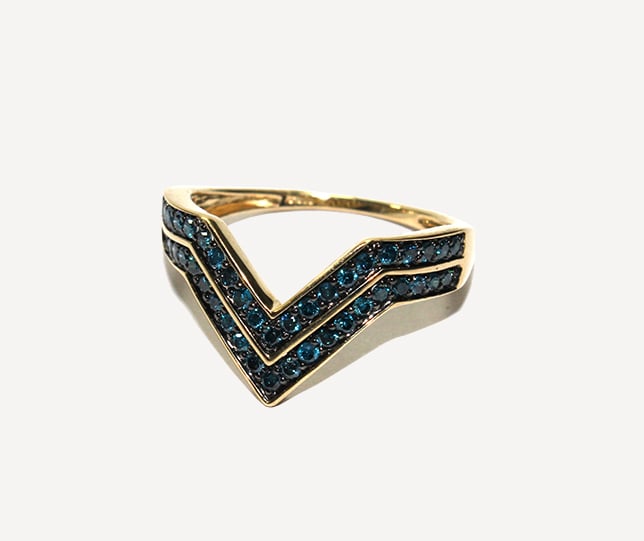
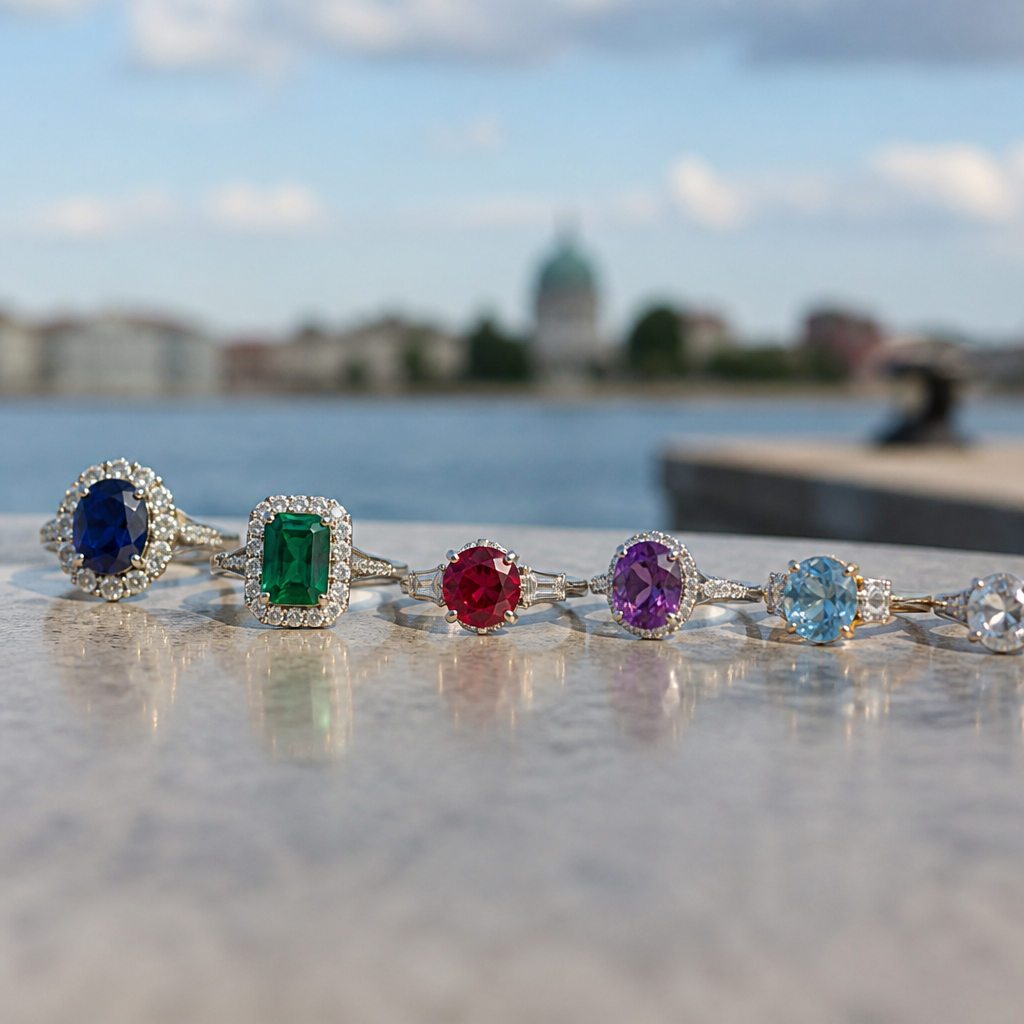
Gemstone rings near Kingston give you more ways to personalize jewelry than almost any other category, but they also raise more questions about color, cut, durability, and setting. A gemstone ring can mean a birthstone gift, an anniversary piece, a right-hand ring, or even an engagement ring that steps away from a traditional diamond. In our showroom, shoppers from Kingston, Wilkes-Barre, Scranton, Hazleton, and Stroudsburg usually want the same thing: a ring that looks beautiful in person, fits daily life, and makes sense for the budget.
The key terms are simple once you break them down. Color refers to hue, tone, and saturation, which together explain whether a sapphire looks deep blue or washed out. Cut describes the stone’s shape and how well its facets bring out brightness, symmetry, and overall appearance. Setting means the metal framework that holds the stone in place, such as prong, bezel, halo, or three-stone designs. When you understand those three parts, choosing a gemstone ring gets much easier.
This matters because not every gemstone performs the same way in a ring. Rings take more impact than pendants or earrings. Hands hit counters, steering wheels, shopping carts, and winter gloves. A stone that looks great in a case may not be the best choice for daily wear unless the cut and setting protect it properly. That is why local shoppers often benefit from seeing stones side by side, trying different profiles on the hand, and talking through how the ring will actually be worn.
Start with color and what you want the ring to say
Color is usually the first thing you notice, and it is often the reason someone falls in love with a gemstone ring. The most popular choices we see in NEPA are sapphire, ruby, emerald, aquamarine, amethyst, garnet, and morganite. Each creates a different mood. Blue sapphire feels classic and steady. Ruby reads bold and warm. Emerald has a rich green that stands out fast. Morganite feels softer and more understated, especially in rose gold.
When jewelers talk about color, we are not just naming the shade. We look at hue, tone, and saturation. Hue is the basic color family. Tone is how light or dark the stone appears. Saturation is the strength of the color. A good gemstone usually shows strong, even color without looking muddy or too pale. With sapphires, for example, many shoppers prefer a medium to medium-dark blue because it stays rich under store lighting and daylight.
Skin tone and metal color also affect how a gemstone looks once it is on your hand. Yellow gold can warm up rubies, garnets, and citrine. White gold often sharpens the look of blue sapphire, aquamarine, and tanzanite. Rose gold pairs especially well with morganite, pink sapphire, and some softer-toned gemstones. In person, these combinations are easier to judge than they are online because you can see the ring under natural light, office light, and jewelry-case light.
Meaning matters too, but it should support the design rather than control it. Birthstones, anniversary stones, and family color connections often shape the decision. We regularly help customers combine practical preferences with personal meaning. Someone may love emerald because it is a May birthstone, then choose a halo or bezel setting to make it safer for regular wear. That balance is what turns a sentimental idea into a ring you will actually enjoy wearing.
How cut changes sparkle, size, and everyday wear
Cut is where appearance and function meet. Many shoppers assume cut only means shape, but shape and cut quality are different. Shape refers to round, oval, cushion, emerald cut, pear, marquise, princess, and other outlines. Cut quality refers to proportion, facet arrangement, symmetry, and polish. Those details determine whether the stone looks lively, sleepy, dark, or glassy.
Round and oval cuts are popular because they return light well and flatter many finger shapes. Cushion cuts feel softer and slightly vintage. Emerald cuts show broad flashes rather than intense sparkle, which works best with stones that have good clarity and color. Pear and marquise shapes can make the finger appear longer, but their points need protection in the setting. If you want a larger face-up look, oval and elongated cushion cuts often deliver that effect better than a round stone of the same carat weight.
Different gemstones also respond differently to certain cuts. Sapphire holds up well in many shapes. Emerald is trickier because it often contains inclusions and can be more vulnerable to chipping, so step cuts and protective settings matter. Opal and pearl are beautiful but much softer, which makes them better for occasional wear rings than hard-use daily pieces. That does not mean you cannot choose them. It means the ring should be designed honestly around their limitations.
For shoppers comparing stones, it helps to see the tradeoffs clearly.
| Gemstone | Best known for | Wear considerations | Setting advice |
|---|---|---|---|
| Sapphire | Strong color range, excellent durability | Good for daily wear | Works in prong, bezel, halo, or three-stone designs |
| Ruby | Rich red color, strong durability | Good for daily wear | Choose secure prongs and balanced side stones |
| Emerald | Distinct green color and character | More brittle than sapphire or ruby | Bezel or halo adds protection |
| Aquamarine | Light blue clarity and clean look | Suitable for regular wear with care | Protect corners on angular cuts |
| Morganite | Soft blush tone | Can abrade over time | Low-profile settings help |
If you are still exploring options, our broader gemstone jewelry guide at https://rainbowjewelers.net/gemstone-jewelry/ gives helpful context on stones, styles, and custom possibilities. It is a good starting point before narrowing your search to a ring you want to try on in person.
Choose a setting that protects the stone and matches your lifestyle
The setting is not just decoration. It determines how secure the gemstone is, how high the ring sits, and how the color presents on the hand. Prong settings let in more light and show more of the stone, which is why they remain popular for sapphire and ruby rings. Four prongs can look clean and open. Six prongs add security, especially for larger center stones.
Bezel settings wrap metal around the stone’s edge. They are one of the best choices for active lifestyles, healthcare work, gloves, or frequent hand use. A bezel can make a ring feel smoother and less likely to catch. Halo settings place a frame of smaller stones around the center. They can add finger coverage, emphasize color contrast, and give a vintage-style look, but they also create more areas that need inspection over time.
Three-stone rings are a strong option when you want symbolism and balance. We see them used for anniversary rings, family milestone pieces, and nontraditional engagement rings. Side stones can be diamonds or colored gems, but proportions matter. If the side stones overpower the center, the ring can lose focus. If they are too small, the design may feel unfinished. That is why trying on real examples is useful before ordering a custom piece.
Band width and setting height also matter more than people expect. A very delicate band can look pretty, but it may not suit a larger gemstone ring meant for daily wear. A high-profile setting shows off the center stone, yet it can snag more often. In our experience, many Kingston-area shoppers end up preferring a balanced design: enough height to show the stone, enough structure to hold up over years of wear, and a shape that feels comfortable during normal routines.
Metal choice, maintenance, and buying locally in NEPA
White gold, yellow gold, and rose gold each change the look of a gemstone ring. White gold feels crisp and modern. Yellow gold brings warmth and contrast. Rose gold softens cooler stones and complements pink or peach gems. There is no universal best choice. The right metal depends on the gemstone, your skin tone, and whether you want the ring to match existing jewelry like wedding bands or daily earrings.
Maintenance should be part of the buying decision. Prongs need inspection. Softer stones may show wear faster. Emeralds often require more mindful care than sapphires. Rings worn every day should be cleaned and checked regularly, especially if you notice snagging, a loose stone, or a bent shank. We tell customers to think beyond the day they buy the ring. A good jewelry purchase includes a plan for upkeep, resizing if needed, and future repair support.
That is one reason local shopping still matters for gemstone rings near Kingston. You can compare stones side by side, talk through durability in plain language, and bring the ring back for inspection or repair. You also avoid the common online problem of judging color from edited photos. We often see stones that looked bright online but appear darker, grayer, or less lively in person. Seeing the ring on your hand under real light gives you a more accurate answer.
Local shoppers from Wilkes-Barre, Scranton, Hazleton, and nearby towns also tend to be practical. They want value, but they do not want guesswork. A good jeweler should explain what you are paying for, where durability matters, and when a design choice is more about style than long-term wear. That kind of honest guidance is especially important with gemstone rings because beauty, hardness, cut quality, and setting security do not always move together.
How to make the final decision with confidence
The best gemstone ring is the one that fits your life as well as your taste. Start with the color you love most. Then check whether the stone is durable enough for how often you plan to wear it. From there, choose a cut that flatters your hand and a setting that protects the stone without hiding what makes it special. Those steps keep emotion in the process while still grounding the decision in reality.
For most shoppers near Kingston, the smartest move is to compare a few real options in person. Look at the stones in different lighting. Try on more than one shape. Ask how the setting will hold up, how the ring can be serviced, and whether the design can be adjusted for comfort or budget. If you are ready to narrow it down, stop by our Kingston showroom and let us help you evaluate color, cut, and setting side by side.
Frequently Asked Questions
How do I choose the right gemstone color for a ring I’ll actually wear often?
Start by thinking about how the ring will be worn, not just which color catches your eye in the showcase. If you want an everyday ring, the best gemstone color is usually one that works easily with your wardrobe, your skin tone, and the other jewelry you wear most often. Rich blues, deep greens, soft pinks, and classic reds are all popular because they offer personality without feeling limiting. If you tend to wear neutral clothing, a vivid gemstone can become a standout signature piece. If your style is already colorful, a more understated stone may give you better long-term versatility.
It also helps to look at gemstone color in person under different lighting. A stone that appears bright and lively in a jewelry case may look deeper, lighter, or more muted in daylight, office lighting, or evening indoor light. That is one reason shoppers looking for gemstone rings near Kingston often prefer to compare options side by side before making a decision. In person, you can better evaluate tone, saturation, and whether the stone has the kind of depth and life you want.
Finally, consider meaning and occasion. Birthstones, anniversary stones, and favorite colors all play a role. Sapphire is often chosen for its timeless blue and excellent durability, emerald for its vivid personality, ruby for romance, and aquamarine or morganite for a softer look. The right color is usually a balance of beauty, symbolism, and practicality. A good jeweler will help you narrow your options based on wearability, maintenance, and the setting style that best supports the color you love.
What gemstone cuts work best for rings, and does cut affect sparkle and durability?
Yes, cut affects both appearance and performance. In a gemstone ring, cut refers to the stone’s shape and the way its facets are arranged to reflect light. Popular shapes include oval, round, cushion, emerald cut, pear, and princess. Each shape creates a different personality. Round and oval cuts often deliver lively brilliance and are classic choices for many ring styles. Cushion cuts feel soft and romantic. Emerald cuts highlight clarity and color with a cleaner, more architectural appearance. Pear and marquise shapes can elongate the finger and create a more distinctive look.
Beyond style, cut can also influence how practical the stone is for daily wear. Shapes with pointed corners or tips, such as pear, marquise, and princess cuts, may need extra protection in the setting because those areas can be more vulnerable to chipping if bumped. Rounded shapes generally offer a little more security in everyday use. The depth and proportions of the stone matter too. A well-cut gemstone should show good color, brightness, and balance rather than looking overly dark, washed out, or lifeless.
When choosing gemstone rings near Kingston, many buyers do best by deciding how they want the ring to feel first: classic, bold, vintage-inspired, modern, or delicate. Then the cut can be matched to that goal. A knowledgeable jeweler can explain which cuts tend to enhance specific gemstones and which settings provide the right protection. The best cut is not only the one that sparkles beautifully, but also the one that fits your lifestyle and keeps the ring looking great over time.
Which gemstone settings are best for protecting the stone while still showing off its beauty?
The best setting balances security, comfort, and visual impact. If durability is a top concern, bezel settings are one of the strongest choices. A bezel surrounds the gemstone with a rim of metal, which helps protect the edges and makes it especially practical for active lifestyles or softer gemstone materials. This setting has a clean, modern look and works well for many shapes. For people who want strong protection without fully surrounding the stone, semi-bezel designs can also be a great option.
Prong settings remain one of the most popular choices because they allow more light to reach the gemstone and show off more of its surface. This can make the ring look brighter and more open, especially with stones like sapphire, ruby, or aquamarine. However, prong count and placement matter. Four-prong and six-prong styles each create a different look and level of coverage, and certain stone shapes need protective prongs at vulnerable points. Halo settings can also add both beauty and function by framing the center stone and providing some additional visual presence.
For shoppers comparing gemstone rings near Kingston, it is important to think beyond appearance alone. A ring should sit comfortably on the hand, avoid snagging too easily, and suit how often it will be worn. Someone choosing a right-hand ring for occasional wear may prioritize design drama, while someone choosing a gemstone engagement ring or everyday gift may want a lower profile and more protection. The right setting is the one that supports the gemstone, complements its shape and color, and fits naturally into your daily life.
Are gemstone rings durable enough for everyday wear, including engagement rings?
Many gemstone rings are durable enough for regular wear, but the answer depends on the specific gemstone, the setting, and the wearer’s lifestyle. Some gemstones are much better suited to everyday use than others. Sapphire and ruby are among the best options because they are very hard and resistant to wear, which is one reason they are often chosen for engagement rings and heirloom jewelry. Other gemstones can still be beautiful choices, but they may require more mindful wear and more protective settings.
Durability is not only about hardness. It also involves toughness, resistance to chipping, and how the gemstone reacts to impact, heat, and chemicals. Emerald, for example, has incredible color but often requires more care than sapphire. Opal, pearl, and some softer stones are generally better for occasional wear rather than constant daily use. That does not make them poor choices; it simply means expectations should match the material. A well-made ring with a secure setting can help any gemstone perform better, but the stone itself still matters.
If you are shopping for gemstone rings near Kingston and plan to wear the ring every day, ask direct questions about the stone’s long-term care, how often the setting should be checked, and whether the design is appropriate for an active routine. An authoritative jeweler should be able to explain the tradeoffs clearly and help you compare beauty with practicality. The best everyday gemstone ring is one that not only looks special the day you buy it, but also continues to fit your life comfortably and confidently for years.
What should I look for in person when shopping for gemstone rings near Kingston?
Seeing a gemstone ring in person gives you valuable information that photos cannot fully capture. First, look at the gemstone’s color in different lighting conditions. Ask to view it under showroom lights, near a window, and if possible in more natural light. Pay attention to whether the color stays appealing and whether the stone has depth and liveliness rather than appearing flat. Also examine the cut from different angles to see how evenly it reflects light and whether the shape feels balanced on the hand.
Next, evaluate how the ring fits and feels. A beautiful ring should not twist excessively, sit awkwardly, or feel top-heavy. Check whether the setting protects the stone adequately and whether prongs, bezels, or accent stones feel smooth and secure. This is especially important if you are choosing a ring for everyday wear. Ask about the metal as well, since yellow gold, white gold, rose gold, and platinum each change the overall look of the gemstone and can influence maintenance needs.
Finally, work with a jeweler who is willing to educate you rather than rush you. Shoppers from Kingston, Wilkes-Barre, Scranton, Hazleton, and Stroudsburg often come in looking for a ring that feels personal, lasts well, and looks even better in real life than it did online. The right in-store experience should include guidance on gemstone durability, setting security, sizing, care, and customization options. When you can compare rings in person and ask detailed questions, you are much more likely to choose a gemstone ring that feels right now and still feels right years from now.